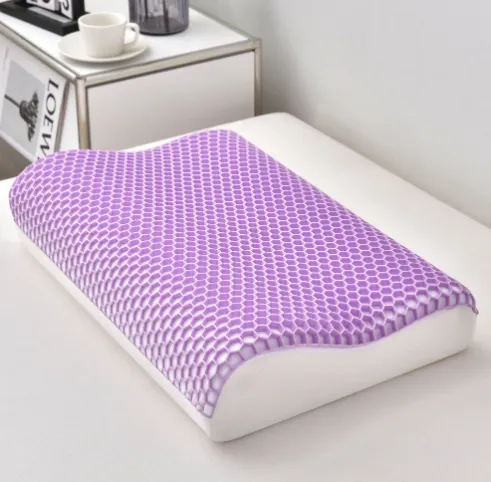
Sep 14, 2026Memory Foam Pillows
How to Tell Quality Memory Foam from Cheap Foam
Two memory foam pillows can look almost identical, but foam quality, density and formulation can make a big difference in feel, durability and customer experience.
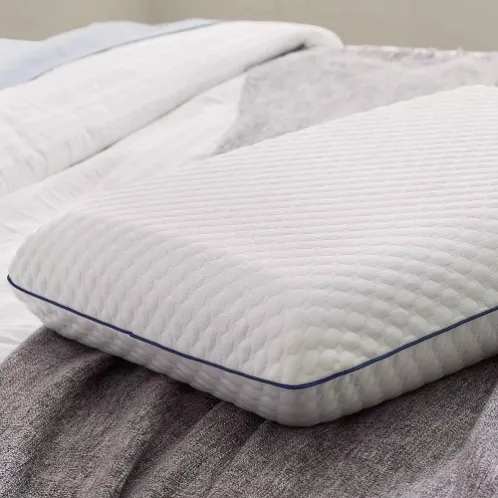
How to Tell Quality Memory Foam from Cheap Foam
When buying a memory foam pillow, it is easy to compare the things you can see.
Size.
Shape.
Cover.
Weight.
Price.
But there is one important part that is much harder to judge from a photo:
The foam inside.
Two pillows can have almost the same shape, size and weight, but feel completely different when you actually touch them.
For B2B buyers, this difference matters.
Because the foam is not only responsible for how the pillow feels when a customer first touches it. It can also affect the product's long-term performance and, eventually, the customer's experience with your brand.
The same appearance does not mean the same foam
Memory foam is a type of viscoelastic polyurethane foam, and its final properties depend on the formulation and processing.
Some manufacturers use fillers in polyurethane foam formulations. Talc, for example, can be used as a mineral filler and may affect the physical and mechanical properties of the foam. The key issue is not simply whether a filler exists, but how it is used and how the final foam performs.
This is where price-focused production can become a problem.
If a manufacturer uses a cost-reduced formulation without properly controlling the final foam properties, the pillow may still look perfectly normal.
The shape can be the same.
The weight can be similar.
Even the product photos can look almost identical.
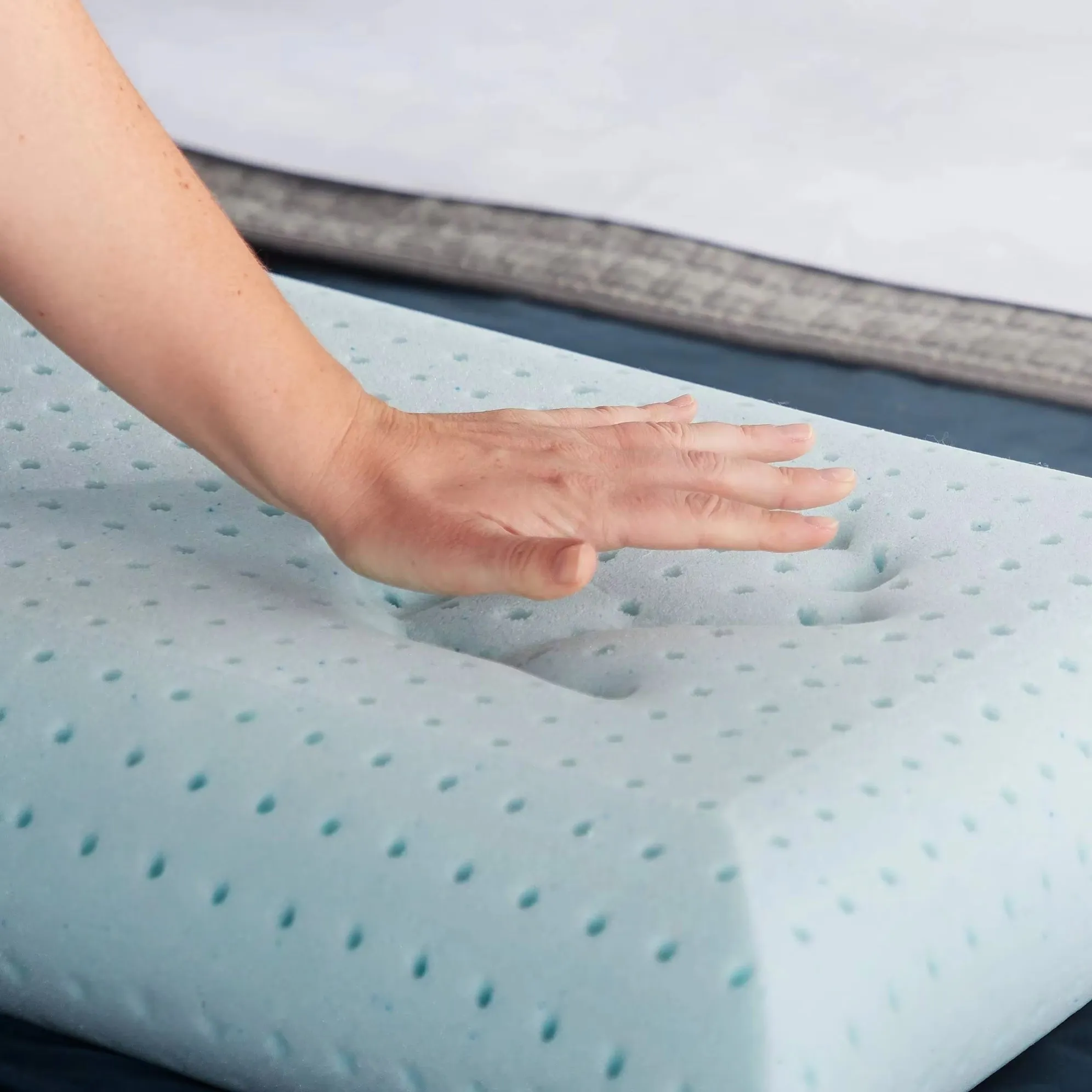
But when you touch the foam, the difference may become much easier to notice.
Good foam should feel different
A well-made high-density memory foam pillow usually has a smooth, fine and consistent feel.
When you press or touch it, the material should feel soft and controlled rather than rough or inconsistent.
This is one of those things that is difficult to explain with a product photo.
You have to actually touch the sample.
For a brand, this matters because the first physical experience is part of the product.
A customer may not know the foam density or formulation.
They may not understand polyurethane chemistry.
But they can feel whether a pillow feels refined and comfortable in their hands.
And that feeling becomes part of how they judge the product.
Density is important, but it is not everything
Many buyers focus on foam density when comparing memory foam pillows.
That makes sense because density is an important technical specification.
But I would not recommend judging a pillow only by one number.
Two foams with similar density can still have different formulations, firmness, recovery speed and overall feel.
This is why a good sample evaluation should include more than simply weighing the pillow.
For example:
- Foam density
- Recovery speed
- Firmness
- Surface feel
- Compression recovery
- Shape stability
- Foam consistency
These details together give you a much better picture of the product.
What happens after several months?
This is another important difference between a good sample and a good product.
A pillow may feel fine when it is new.
But what matters to the end customer is how it performs after regular use.
With a well-designed and properly manufactured memory foam pillow, good foam quality can help maintain its shape and support over a longer period.
Some high-quality memory foam products are designed for several years of normal use, but actual service life depends on the foam, usage, compression, environment and care.
On the other hand, if the foam formulation or manufacturing quality is not well controlled, problems may appear much earlier.
The pillow may start to lose its original shape.
It may become softer in some areas.
The support may change.
In some cases, poor material or processing can also lead to surface or material deterioration.
And this is where a small saving in factory cost can become a much bigger problem for a brand.
A cheaper pillow may not be cheaper in the end
Imagine two pillows.
One costs a little less to produce.
The other uses a better-controlled foam formulation and costs more.
At the beginning, the cheaper one may look like the better business decision.
But what happens if customers start complaining after a few months?
What happens if the pillow loses its shape earlier than expected?
What happens when negative reviews start appearing?
For a brand, the cost is no longer just the difference in foam price.
It can become:
Returns + complaints + replacements + poor reviews + loss of customer trust.
This is why I believe memory foam pillow sourcing should not be based on the lowest unit price alone.
How should B2B buyers check the foam?
My advice is simple:
Do not judge the pillow only from photos.
Ask for a physical sample.
Then test it yourself.
Touch the foam.
Press it.
Check the recovery.
Measure the density.
Look at the consistency of the foam.
If possible, compare samples from different suppliers side by side.
And most importantly, ask the factory what foam formulation and specifications they are using.
A reliable supplier should be able to discuss these points with you instead of only giving you a product photo and a price.
Quality is something the customer can feel
For memory foam pillows, some of the most important differences are hidden inside the product.
You may not see them in a photo.
You may not notice them from the outside.
But the customer will eventually experience them through touch, comfort and long-term use.
That is why we believe foam quality should be considered part of the brand experience, not simply a production cost.
If you are developing a memory foam pillow for your brand, we can discuss the foam density, recovery speed, firmness, pillow shape, cover and packaging requirements with the factory before production.
Send us your pillow requirements or your current sample specifications. We can help you review the foam options and develop a sample based on your target product.
More related pages:
📩 Send us your project needs or specifications, and we will respond with a clear quotation and production suggestion within 24 hours.
Email: info@hengmy.com