Sep 9, 2026Weighted Blankets
How to Choose a Reliable Weighted Blanket Supplier
What should you check before ordering weighted blankets? Learn how to evaluate supplier experience, quality consistency, sampling, communication and customization.
How to Choose a Reliable Weighted Blanket Supplier
I understand why price is often the first question. For a new product, every buyer wants to control the cost.
But after you compare a few suppliers, you may find something important:
Two suppliers can offer a similar-looking weighted blanket, but the actual production experience can be very different.
For brands, wholesalers and retailers, this difference can affect samples, bulk quality, delivery and even customer complaints later.
So before placing an order, what should you really check?
1. Look for real weighted blanket experience
A supplier may say they manufacture home textiles, bedding or blankets.
That is useful, but it does not always mean they understand weighted blankets well.
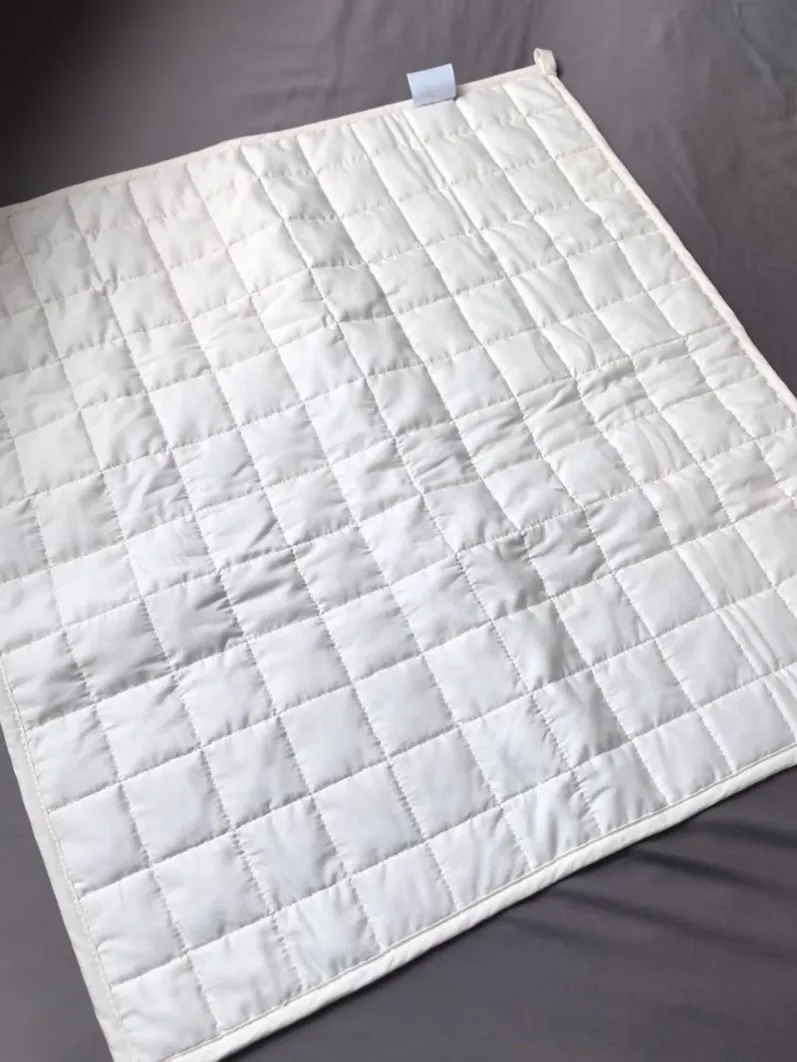
A weighted blanket has some specific production points that need attention, such as:
- Filling and weight distribution
- Glass bead filling
- Quilting structure
- Stitching
- Final weight accuracy
The filling needs to stay reasonably distributed across the blanket. The quilting structure also plays an important role in helping keep the filling in place.
For example, smaller quilting sections can help reduce filling movement and support more even weight distribution.
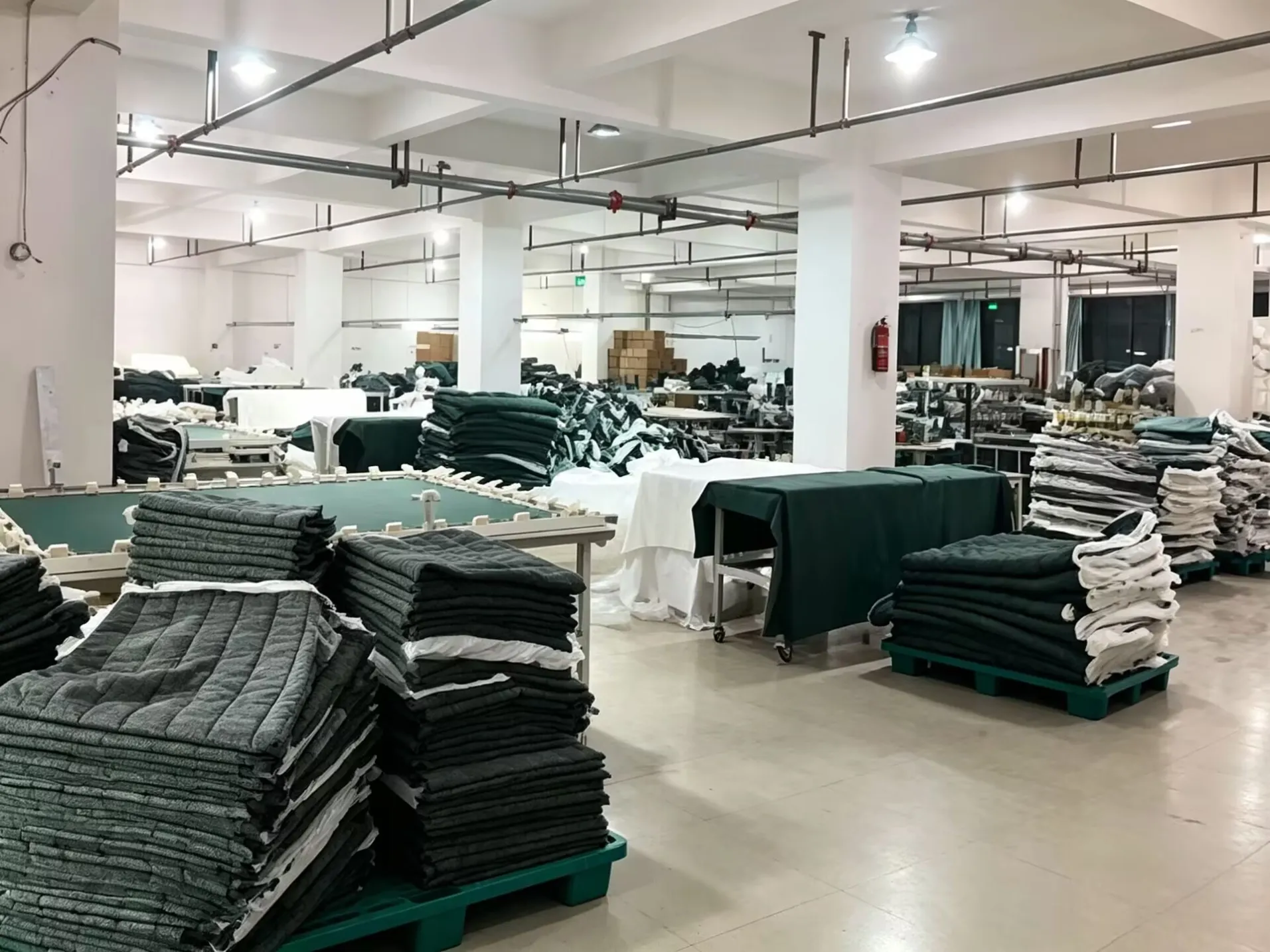
This is one reason I would ask a supplier about their actual weighted blanket experience, rather than only looking at how many years they have been manufacturing textiles.
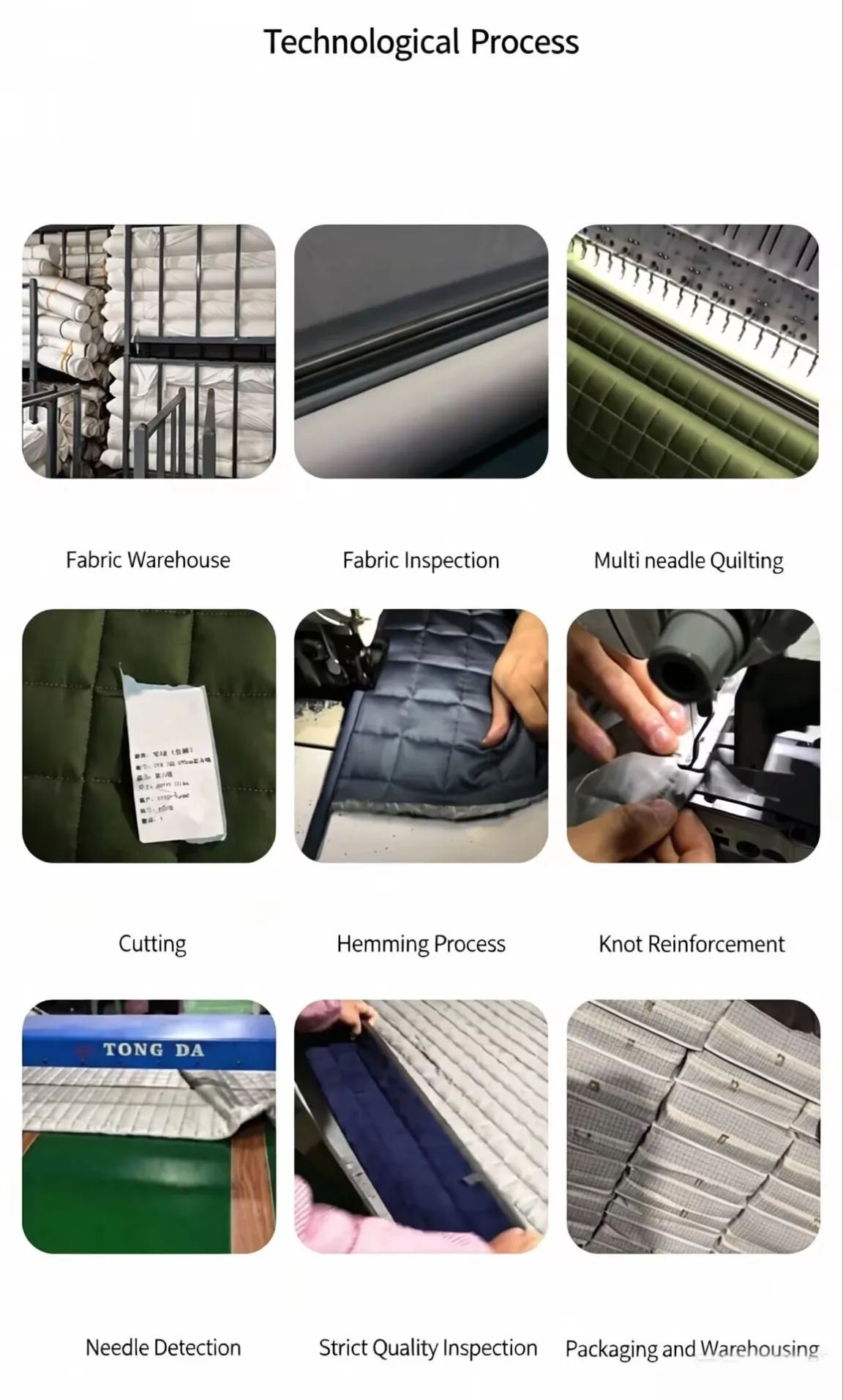
If you want to understand the production process in more detail, see our guide on [How Is a Weighted Blanket Made?]
2. Do not judge a supplier only by the sample
A good sample is important.
But a good sample is not enough.
This is probably one of the most important things for a buyer to consider.
The real question is:
Can the supplier make the same product consistently in bulk?
For a weighted blanket, you may want to check:
- Is the weight consistent from piece to piece?
- Is the filling distributed properly?
- Are the quilting lines consistent?
- Is the stitching secure?
- Does the finished size match the specification?
A sample can look perfect because it has received extra attention.
The bulk order is where you see the real production process.
This is why I believe quality control during production is just as important as checking the final goods.
3. Pay attention to the sampling process
When developing a private-label weighted blanket, the first sample is often not the final sample.
You may want to change the fabric.
Then the weight.
Then the quilting.
Then the packaging.
This is normal during product development.
A supplier that can communicate clearly during this process can save a buyer a lot of time.
I would also pay attention to whether the supplier simply follows instructions or can give practical suggestions.
For example, if you want to develop a different size or weight for a particular market, a useful supplier should be able to discuss the production side with you.
Different markets may also have different size and weight preferences. There is no single size and weight combination that works for every market.
4. Communication is part of quality
This point sounds simple, but it can cause real problems.
Many production issues start before production even begins.
A buyer may ask for one size, while the factory understands another.
A packaging requirement may not be clearly confirmed.
A weight specification may be discussed but not written into the final order.
A label or wash-care instruction may be missed.
These small misunderstandings can become expensive after production starts.
For this reason, I would rather work with a supplier who asks questions when something is unclear than one who always says:
“Yes, no problem.”
Good communication is not about replying quickly to every message.
It is about understanding what the buyer actually needs and confirming important details before production.
5. Check how flexible the supplier is
For a standard product, flexibility may not be very important.
For a brand developing its own weighted blanket, it can be very important.
Depending on the project, you may need to customize:
- Fabric
- Size
- Weight
- Color
- Quilting
- Brand label
- Wash-care label
- Retail packaging
Some buyers may also want to start with a smaller trial order before moving to larger quantities.
This is a practical way to test the market before making a bigger commitment.
The supplier's ability to support customization and reasonable trial orders can therefore be part of the product development process, not just a sales service.
6. Ask how problems are handled
This is something I think buyers should discuss before there is a problem.
No production process is perfect.
The more important question is:
What happens when something does not go as planned?
Does the supplier tell you early?
Do they explain what happened?
Do they suggest a solution?
Are they willing to discuss responsibility?
For me, this says a lot about a long-term business relationship.
A reliable supplier is not necessarily a supplier that never has a problem.
It is a supplier that does not hide problems and is willing to work through them with the buyer.
7. Look beyond the product itself
Finally, I would look at the whole supply process.
You can ask about:
- Production process
- Quality inspection
- Certifications
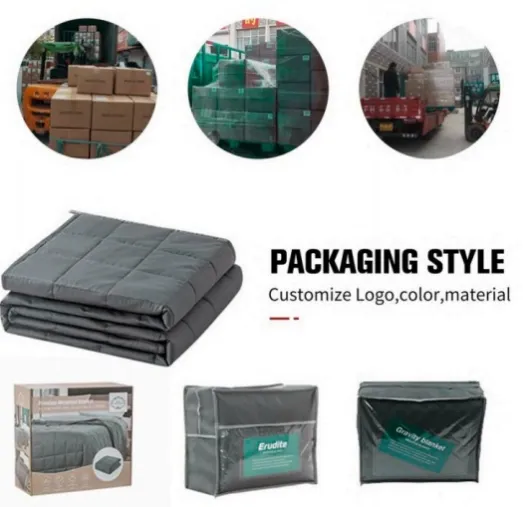
- Packaging
- Lead time
- Shipping preparation
- Previous export experience
For example, certification can provide useful information about the materials and product requirements being addressed, but it should not replace your own product specifications and quality checks.
The same applies to factory experience.
A supplier may have many years of experience, but what matters to your project is whether that experience is relevant to the product you are developing.
The cheapest supplier is not always the lowest-cost option
When comparing weighted blanket suppliers, it is easy to compare only the unit price.
But imagine this situation.
You choose the lowest quotation.
Then the sample needs several rounds of correction.
The bulk order has inconsistent weight.
The packaging needs to be changed.
The delivery is delayed.
Now the original price advantage may not look so attractive anymore.
This does not mean that the highest quotation is automatically better.
It simply means that price should be considered together with product quality, communication, customization, consistency and delivery.
For a product that will carry your brand name, the supplier is part of your product development process.
A supplier should be more than a production line
For me, choosing a weighted blanket supplier is not just a procurement decision.
It is also a long-term product decision.
The right supplier should be able to understand your specifications, communicate clearly, keep production consistent and work with you when the product needs to change.
Before asking only:
“What is your price?”
It may be worth asking a few more questions:
How do you control weight consistency?
How do you handle sampling and changes?
What can you customize?
How do you inspect production?
What happens if there is a problem?
The answers to these questions can tell you much more about a supplier than a price list alone.
Looking for a weighted blanket supplier?
If you are developing a new weighted blanket, private-label project or customized sleep product, send us your target market, size, weight, fabric, quantity and packaging requirements.
We can review the requirements with you and discuss what is practical for sampling and production.
A good project starts with clear specifications and an honest conversation.
📩 Send us your project needs or specifications, and we will respond with a clear quotation and production suggestion within 24 hours.
Email: info@hengmy.com