Oct 23, 2026Weighted Blankets
Quilting vs. Pocket Construction in Weighted Blankets
Learn the difference between quilting and pocket construction in weighted blankets, including stitching, filling containment, appearance and product design.
What Is the Difference Between Quilting and Pocket Construction?

Quilting and Pocket Construction Are Related, but Not the Same
When developing a weighted blanket, you may hear the terms quilting and pocket construction used together. They are closely related, but they do not mean exactly the same thing.
Quilting usually refers to the stitching that joins the fabric layers and creates a pattern on the blanket. Pocket construction refers to how those stitched lines divide the filling area into separate compartments.
In simple terms, quilting is part of the sewing process, while pocket construction describes the structure created by that sewing.
Both matter when you are choosing a weighted blanket for your product range. They affect not only the appearance, but also how the glass bead filling is contained and how the blanket is made.
What Does Quilting Mean?
Quilting is the process of stitching through layers of fabric and padding to hold them together in a planned pattern.
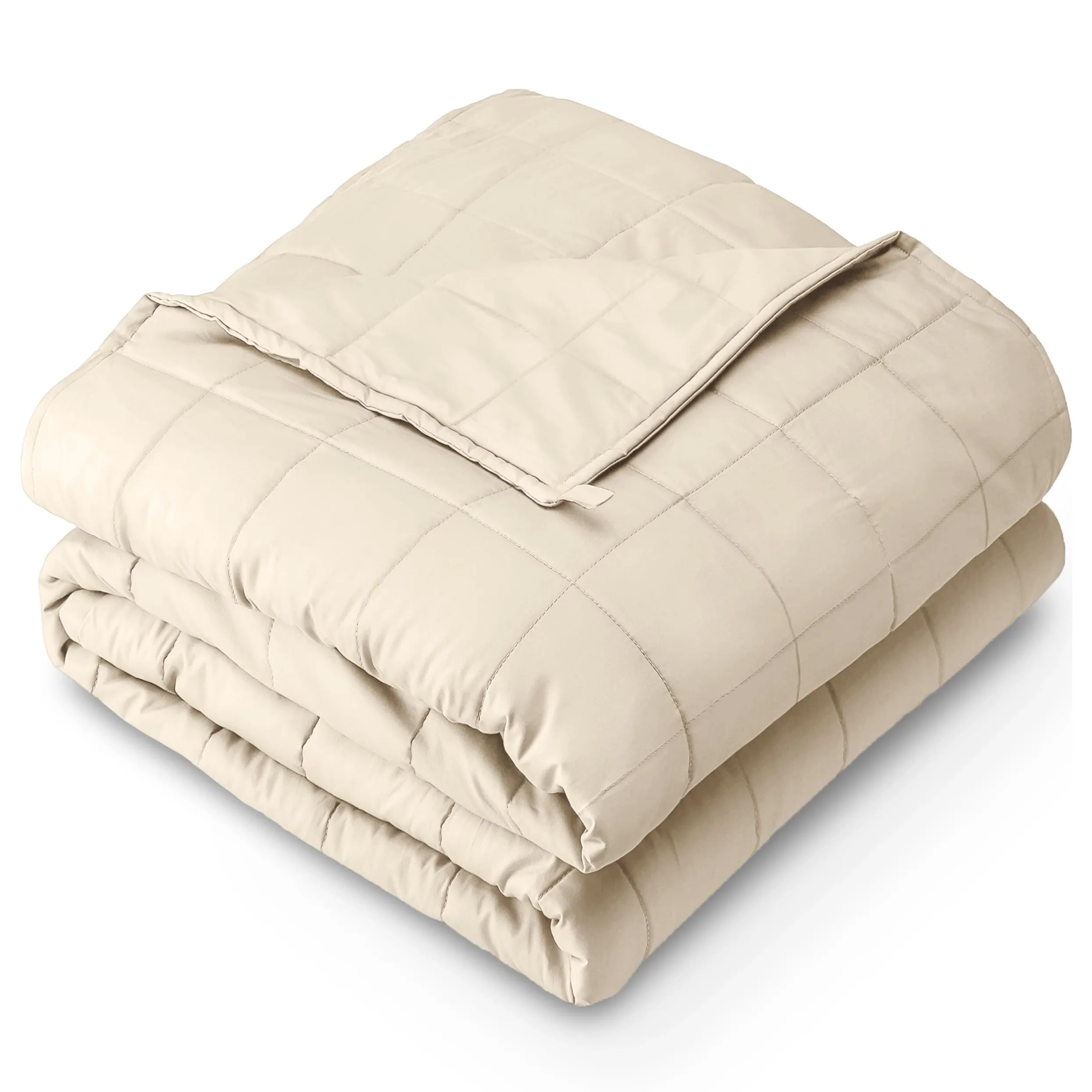
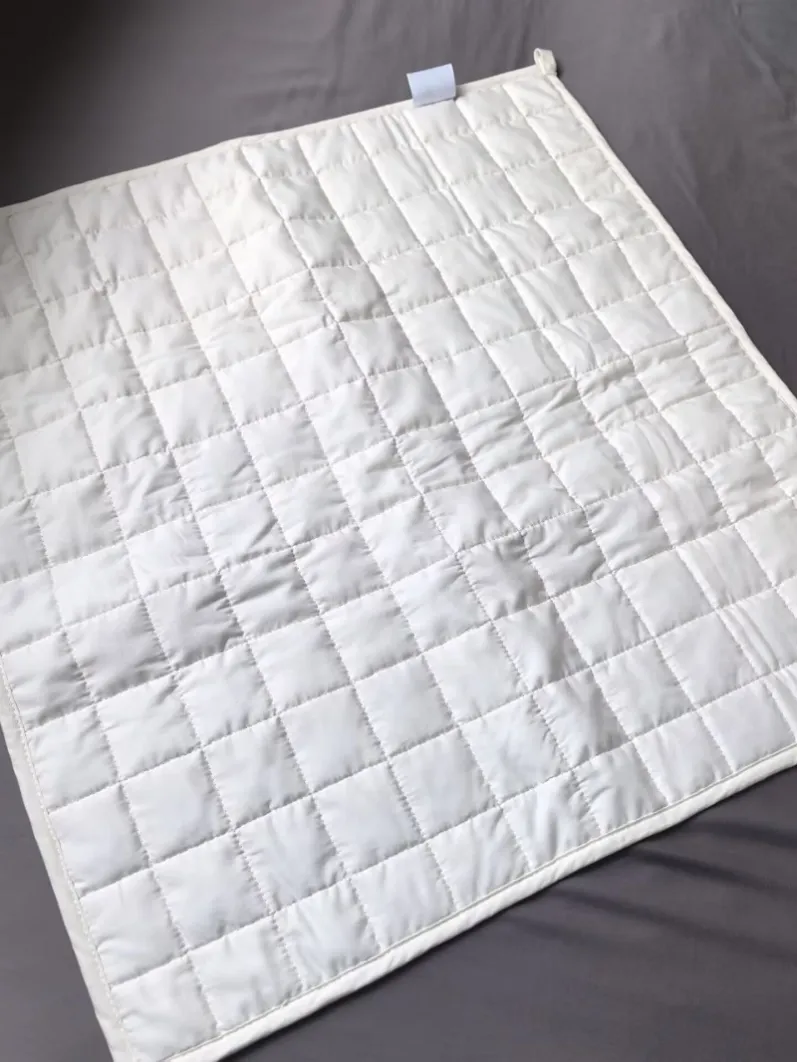
On a weighted blanket, you can usually see the quilting as square, diamond or other shaped lines across the surface.
The pattern affects the product's appearance. Square quilting gives the blanket a familiar, regular look, while diamond or hexagon patterns offer a different visual style.
However, quilting is not just decoration. The stitching also helps define the areas that hold the filling. The sewing lines need to be suitable for the selected fabric layers and the intended construction.
For buyers, this means the quilting pattern should be confirmed before sampling, especially if the product needs a particular appearance or a specific pocket layout.
What Is Pocket Construction?
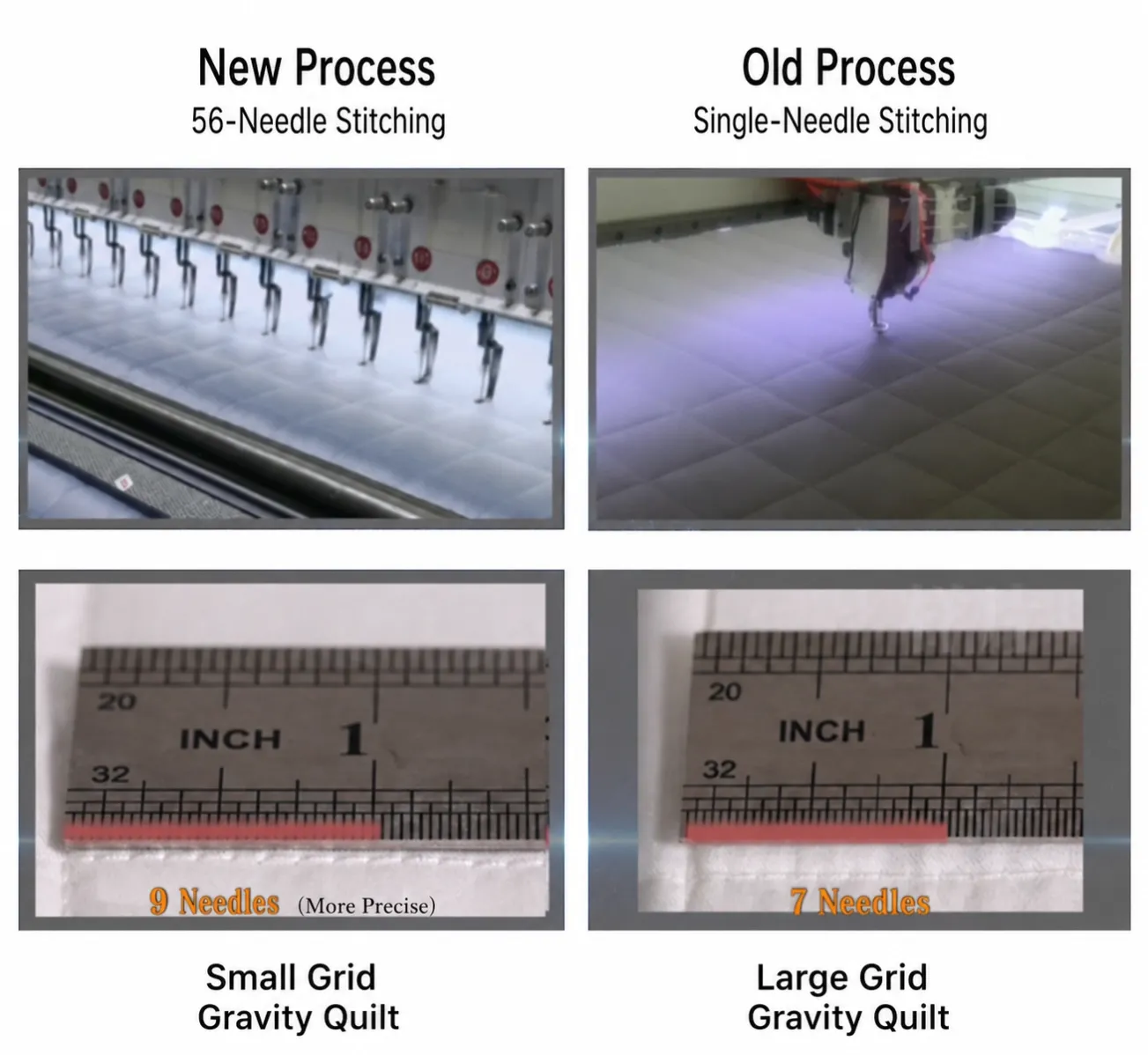
Pocket construction refers to the individual compartments formed by the internal stitching. Each pocket holds a portion of the glass beads instead of allowing the filling to move freely across the entire blanket.
For example, a weighted blanket with square pockets has stitching lines that divide the filling area into separate squares. The size of these squares determines how much room the beads have to move within each pocket.
We commonly work with square pocket sizes such as 5×5 cm, 7×7 cm and 10×10 cm. Other sizes may be considered according to the project requirements.
Smaller pockets give the beads less space to move within each compartment, but they require more quilting lines and more sewing work. Larger pockets are generally more economical to produce, although the beads have more room to move within each pocket.
The right choice depends on the product specification, target price and expected feel. A smaller pocket is not automatically the best option for every product.
How Do They Work Together to Contain the Filling?
The quilting lines form the boundaries of the pockets. The pocket structure then helps keep the glass beads within their intended sections.
If the stitching is inconsistent or a seam opens, the filling may escape or move between compartments. This can affect the blanket's appearance and the way the weight is distributed.
But quilting alone cannot guarantee that every bead stays in place. The fabric, any additional lining, stitching quality and filling process all matter.
For example, some plush fabrics may benefit from an extra lining layer to help reduce the risk of bead leakage. The required construction should be considered together rather than choosing a quilting pattern on its own.
During product development, it is worth checking both the visible stitching and the finished pocket structure. A sample should be reviewed for workmanship, filling containment and whether it matches the agreed specifications.
Does Pocket Construction Affect Appearance?
Yes. Although pocket construction has a functional role, it also influences the finished look.
Square pockets create a regular grid. Diamond pockets give the surface a different pattern, while hexagon pockets need a suitable stitching layout to achieve the intended appearance and construction.
The pattern and pocket dimensions should be considered together. Changing the shape or size of the pockets may affect the sewing process, production time and cost.
If appearance is a priority for your brand, it is a good idea to review a physical sample before confirming bulk production. A pattern that looks good in a drawing still needs to work with the selected materials and sewing method.
What Should Buyers Confirm Before Sampling?
When developing a custom weighted blanket, we recommend confirming these details:
- Quilting pattern: Square, diamond, hexagon or another design.
- Pocket size: For example, 5×5 cm, 7×7 cm or 10×10 cm.
- Fabric and lining: The materials need to suit the intended construction.
- Target weight and dimensions: These help determine the filling plan and pocket layout.
- Price target: Smaller pockets and more complex stitching may increase production costs.
These details are connected. If you change the fabric, blanket size or pocket design, the construction may need to be reviewed before sampling.
Discuss Your Weighted Blanket Construction With Us
For OEM/ODM weighted blankets, quilting and pocket construction should be planned together from the beginning. The goal is to achieve the appearance you want while keeping the filling structure, materials and production cost suitable for your project.
If you are developing a new weighted blanket, share your target size, weight, fabric, preferred quilting pattern and estimated order quantity with us. If you have a reference sample or product photo, that is helpful too.
More related pages:
Request a Quote to discuss the construction and pricing for your custom weighted blanket.
📩 Send us your project needs or specifications, and we will respond with a clear quotation and production suggestion within 24 hours.
Email: info@hengmy.com