Oct 22, 2026Weighted Blankets
Weighted Blanket Quilting Patterns: Square, Diamond & Hexagon
Compare square, diamond and hexagon quilting patterns for weighted blankets, including appearance, stitching considerations and custom design options.

Square, Diamond or Hexagon? Choosing a Quilting Pattern for Weighted Blankets
Which Quilting Pattern Should You Choose?
When developing a weighted blanket, the quilting pattern affects more than the way the product looks. It is also part of the manufacturing process, so the design needs to work well in production.
Square quilting is currently the most common choice in our regular orders. Customers often request 5×5 cm, 7×7 cm or 10×10 cm pockets, and some also ask for 8×8 cm.
But squares are not the only option. Diamond and hexagon patterns can also be used to give a weighted blanket a different appearance.
The best choice depends on your product design, target price and the construction details that need to be checked before bulk production.
Square Quilting: A Familiar, Practical Choice
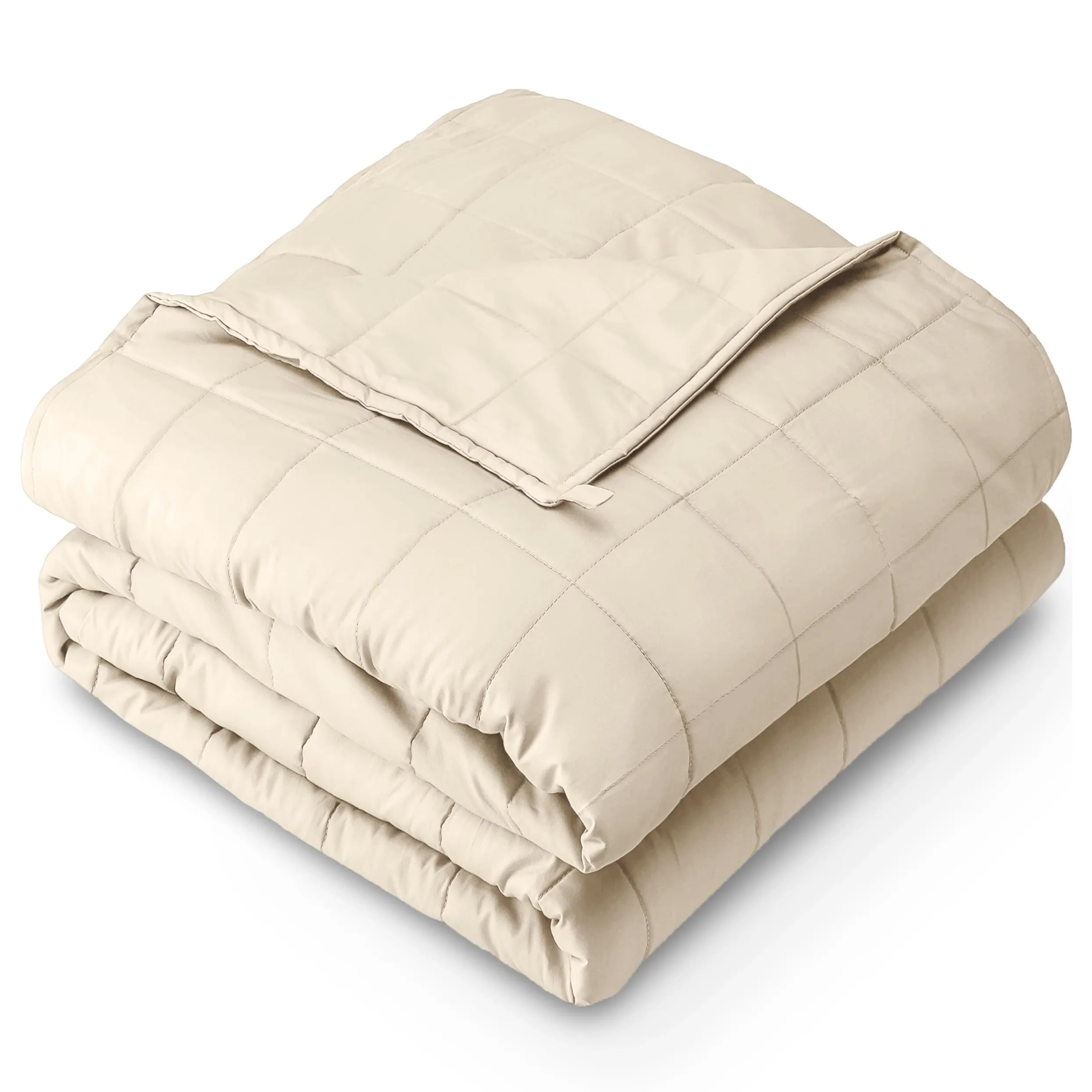
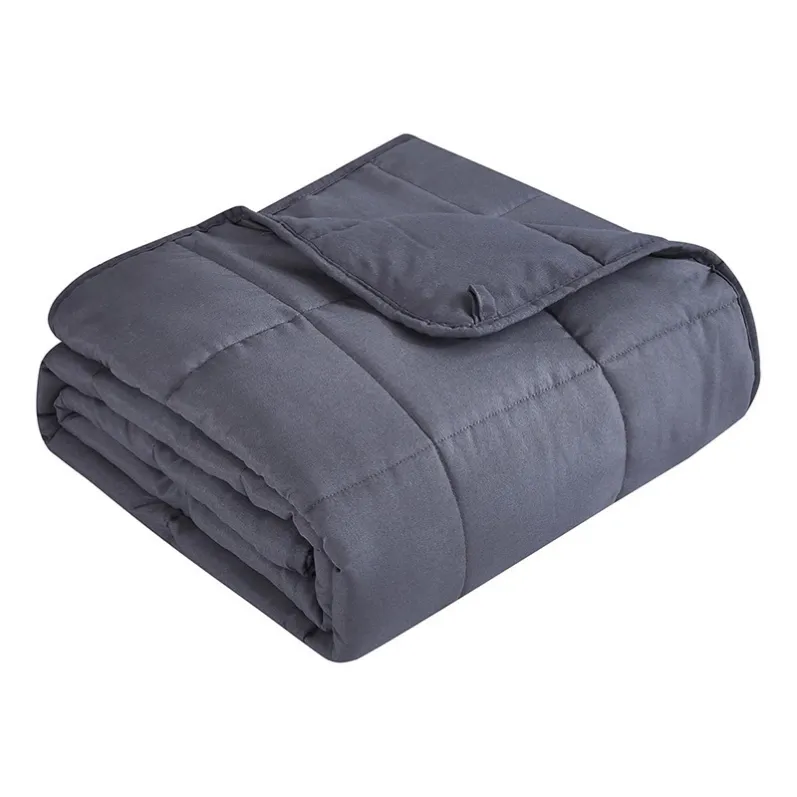
Square quilting is widely used for weighted blankets because it creates a clear, regular pocket structure.
The pocket size can be adjusted according to the product requirements. Our regular options include 5×5 cm, 7×7 cm and 10×10 cm, with 8×8 cm also available for customers who prefer that size.
Smaller pockets give the glass beads less room to move within each compartment, while larger pockets are generally more economical to produce. The filling quantity and overall construction still need to match the selected pocket size.
For buyers who want a familiar design with a choice of pocket sizes, square quilting is a practical starting point.
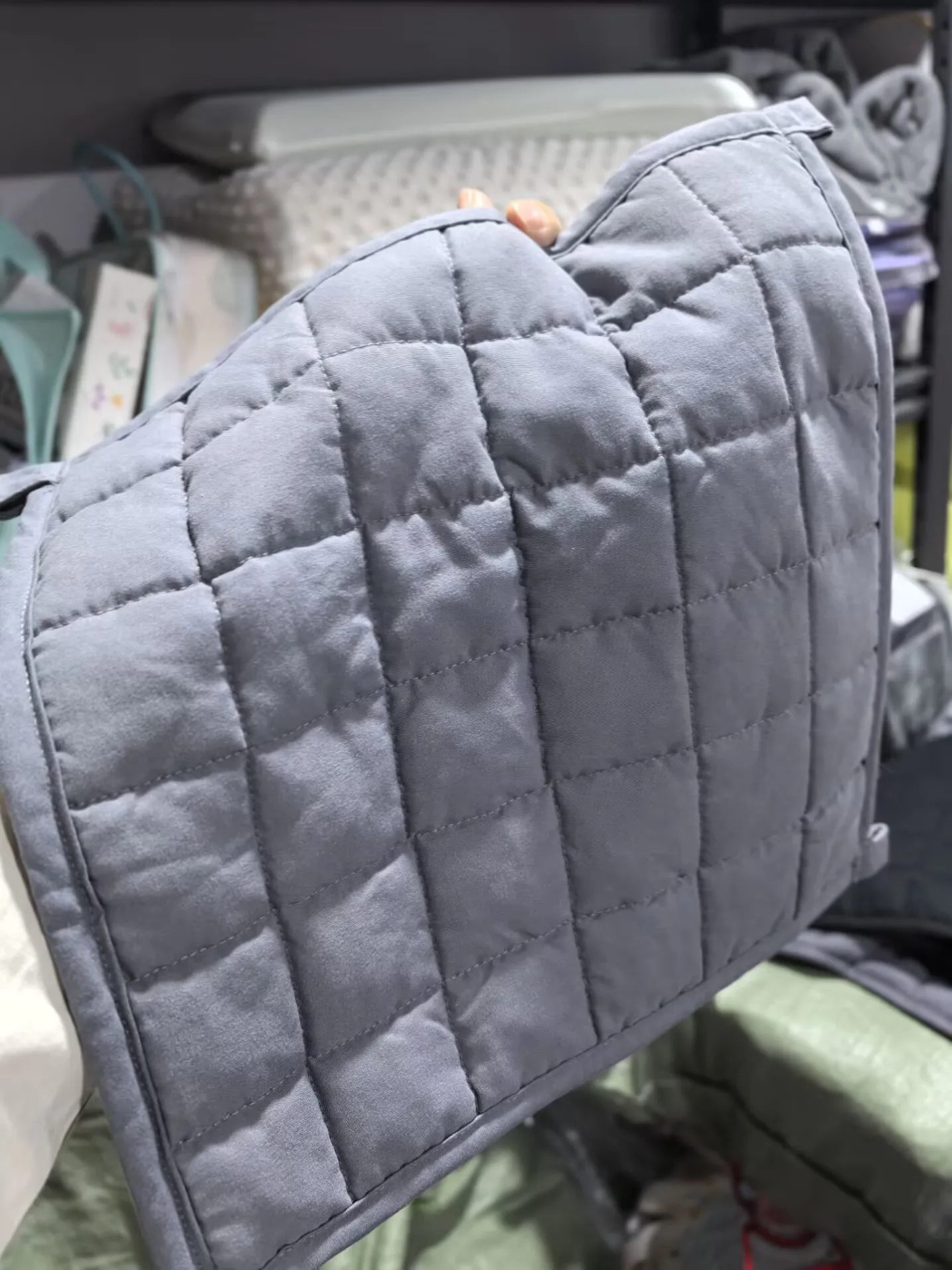
Diamond Quilting: A Different Look
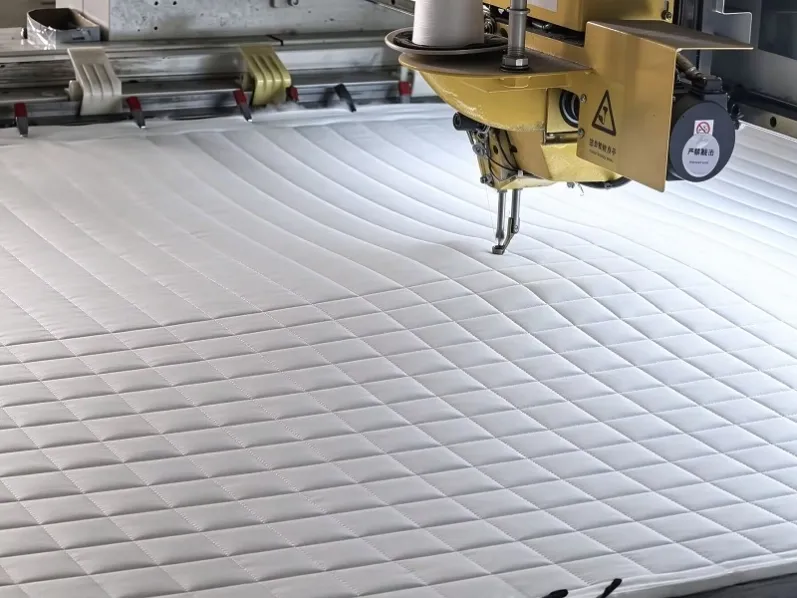
Diamond quilting gives the blanket a different surface pattern from the regular square grid.
For customers who want the product to stand out visually, this can be an attractive option. The diagonal lines create a different look without changing the basic idea of dividing the filling into separate compartments.
However, appearance is only one part of the decision. The quilting layout still needs to suit the blanket dimensions and filling plan, and the finished sample should be checked before production.
If your product range already includes square-quilted blankets, a diamond design may be worth considering as another style for your collection.
Hexagon Quilting: Check the Stitching Details
Hexagon quilting has a distinctive geometric appearance, but its construction needs particular attention.
In the hexagon pattern used in our production, two sides of each hexagonal shape involve repeated stitching along the same lines. This can increase the chance of loose thread ends or stitching defects if these areas are not properly controlled.
For this reason, hexagon quilting needs additional inspection during production. Workers may need to check and repair affected areas before the blankets move to the next stage.
This does not mean every hexagon-quilted blanket will have defects. It means the stitching layout creates specific points that need attention, and the production process should account for them.
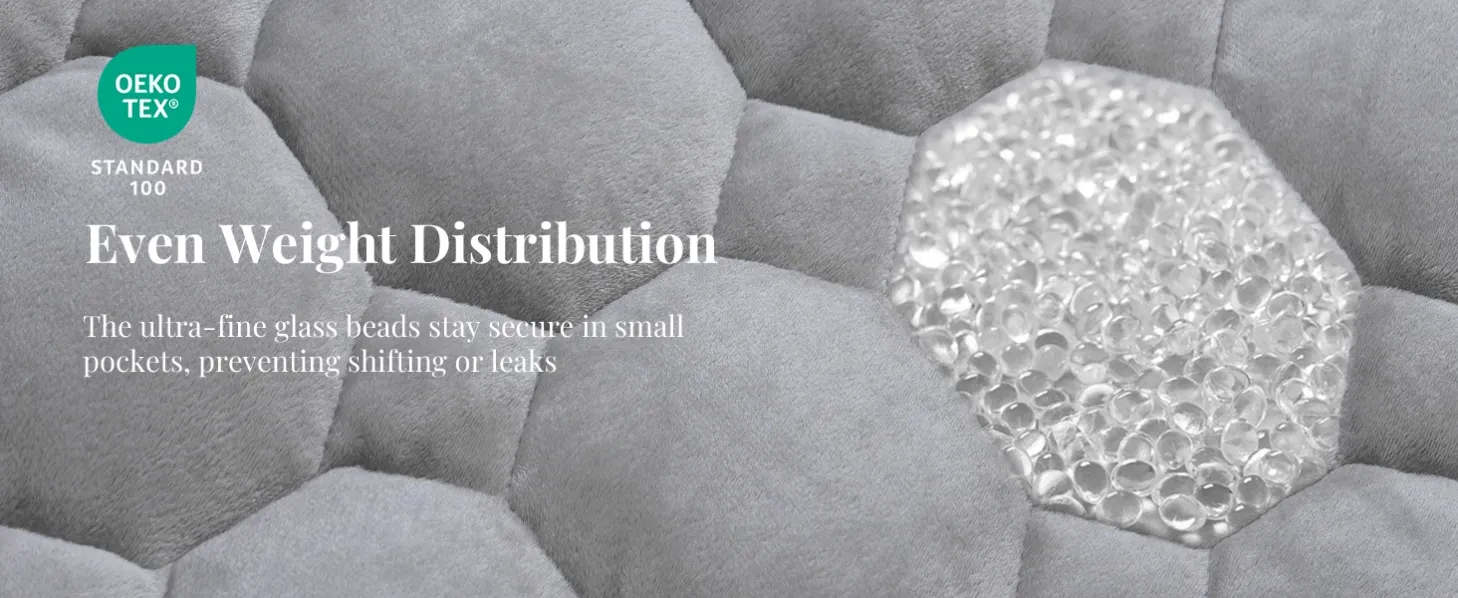
What Is Double-Stitched Hexagon Quilting?
If you prefer the hexagon look, one option worth discussing is a double-stitched hexagon design.
Compared with the regular hexagon pattern, the additional stitching gives the pattern a more detailed appearance. It can also avoid the specific repeated-pass issue described above in the regular construction, depending on how the pattern is laid out and sewn.
The final result still depends on the actual stitching design and production setup, so we recommend confirming it with a sample rather than relying on the pattern name alone.
For brands developing a distinctive weighted blanket, this is a design option worth exploring if appearance is an important part of the product positioning.
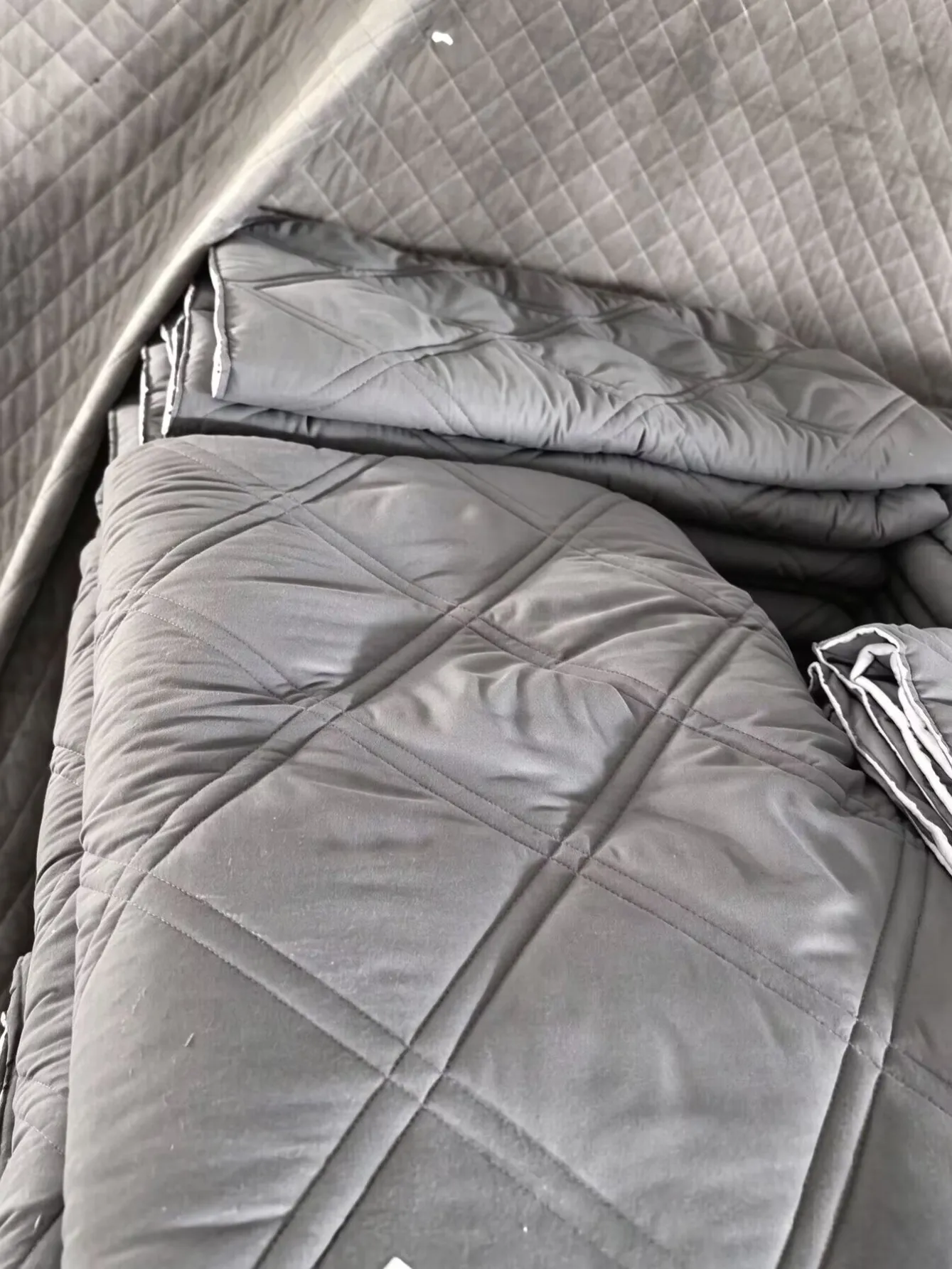
Choose the Pattern Before Sampling
Different quilting patterns require different layouts and stitching arrangements. Before sampling, it is useful to confirm the blanket size, target weight, fabric, pocket size and preferred pattern.
The pattern should work with the filling plan and the finished product dimensions. It should also be checked for stitching quality, appearance and production feasibility.
A photo can help communicate the look you want, but a finished sample is the better way to review the actual construction.
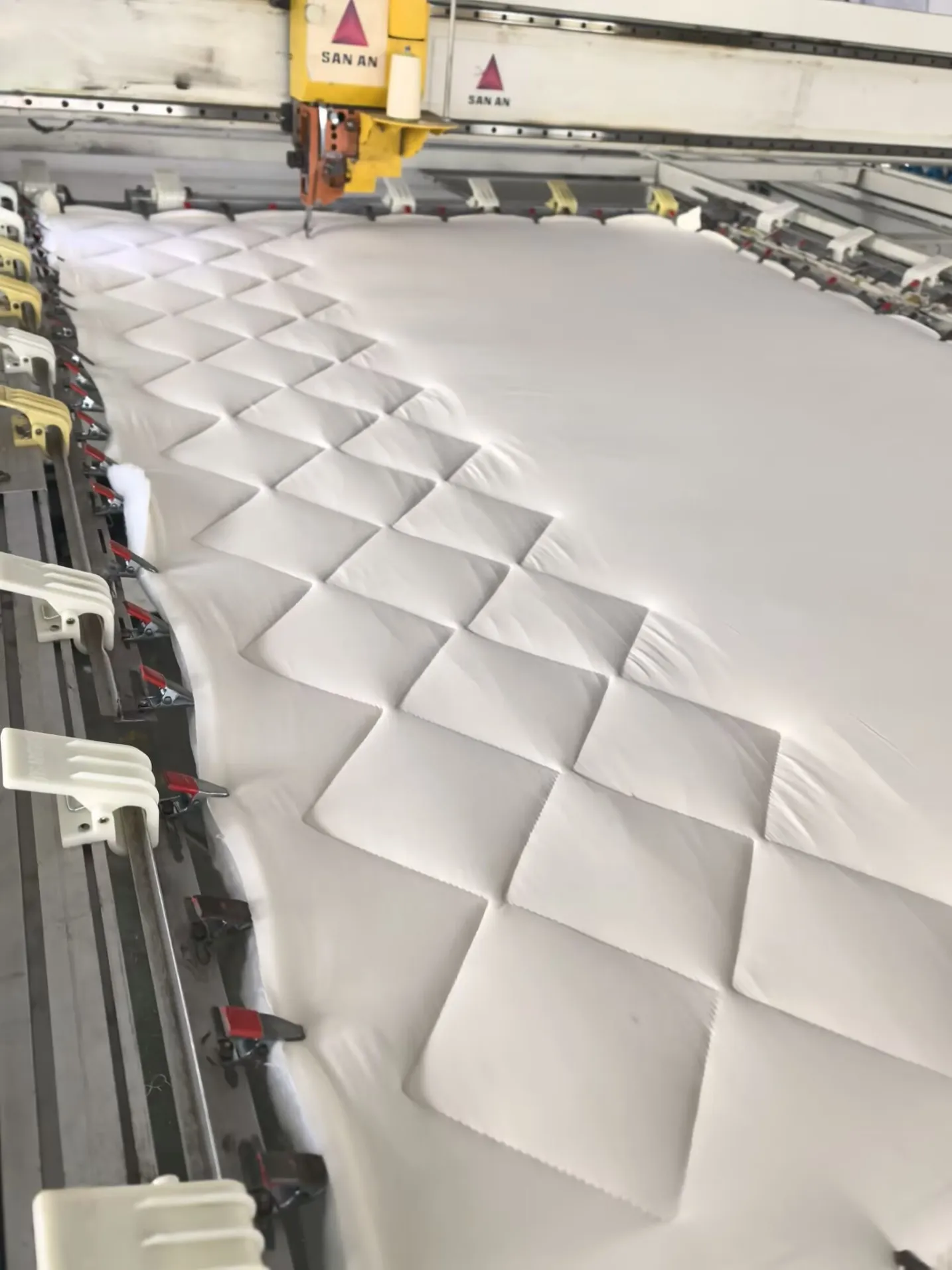
Developing a Custom Weighted Blanket?
We can discuss square, diamond and hexagon quilting options for your weighted blanket project. Share your preferred pattern, blanket dimensions, target weight, fabric and estimated order quantity.
We can review the construction requirements with you and provide a quotation based on your specifications.
More related pages:
Request a Quote to discuss a quilting design for your next weighted blanket collection.
📩 Send us your project needs or specifications, and we will respond with a clear quotation and production suggestion within 24 hours.
Email: info@hengmy.com