Sep 3, 2026Weighted Blankets
How to Choose Weighted Blanket Materials
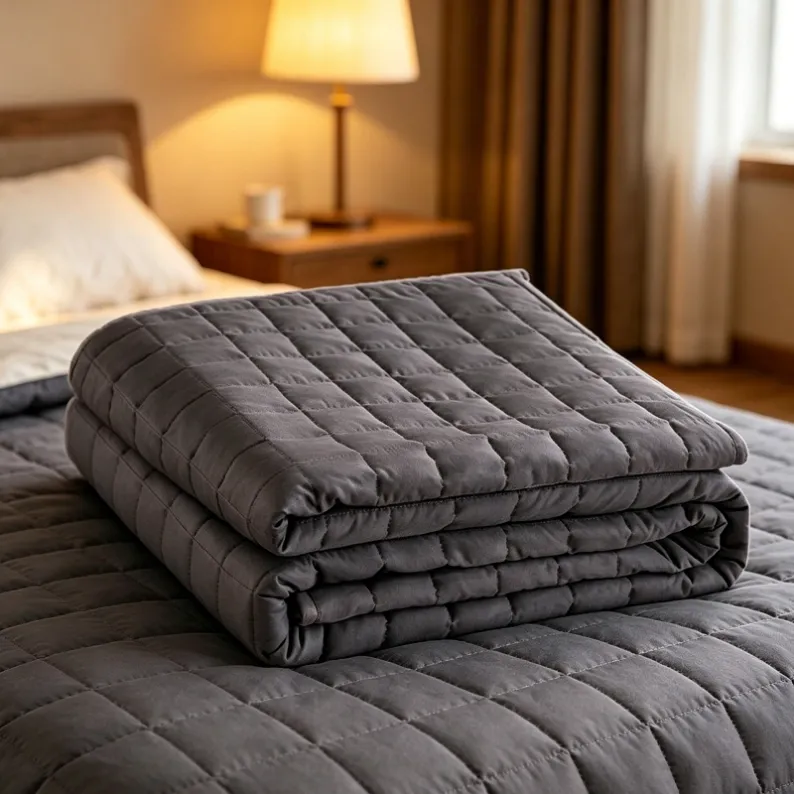
Choosing the right fabric and filling can change the feel, warmth, cost and positioning of a weighted blanket. Here are the practical points buyers should consider.
How to Choose Weighted Blanket Materials
When buyers start developing a weighted blanket, one of the first decisions is usually the weight.
5 kg?
7 kg?
9 kg?
But there is another decision that deserves just as much attention:
What should the blanket be made from?
The fabric and filling can change how the product feels, how warm it is, how easy it is to care for and even where you can position it in the market.
There is no single material combination that works for every customer.
The right choice depends on your product idea.
Start with the customer, not the fabric
A common sourcing mistake is to choose a fabric because it looks good in a supplier catalogue.
I understand why.
A soft minky fabric can look very attractive in photos. Cotton feels familiar. Bamboo fabrics can give a more premium impression.
But the better question is:
Who will use this blanket?
If the product is designed for customers who prefer a cooler sleeping environment, a very warm plush fabric may not be the best choice.
If the product is positioned as a cosy relaxation blanket for the sofa, softness and warmth may be more important.
The same weighted filling can be used with very different fabrics and create completely different products.
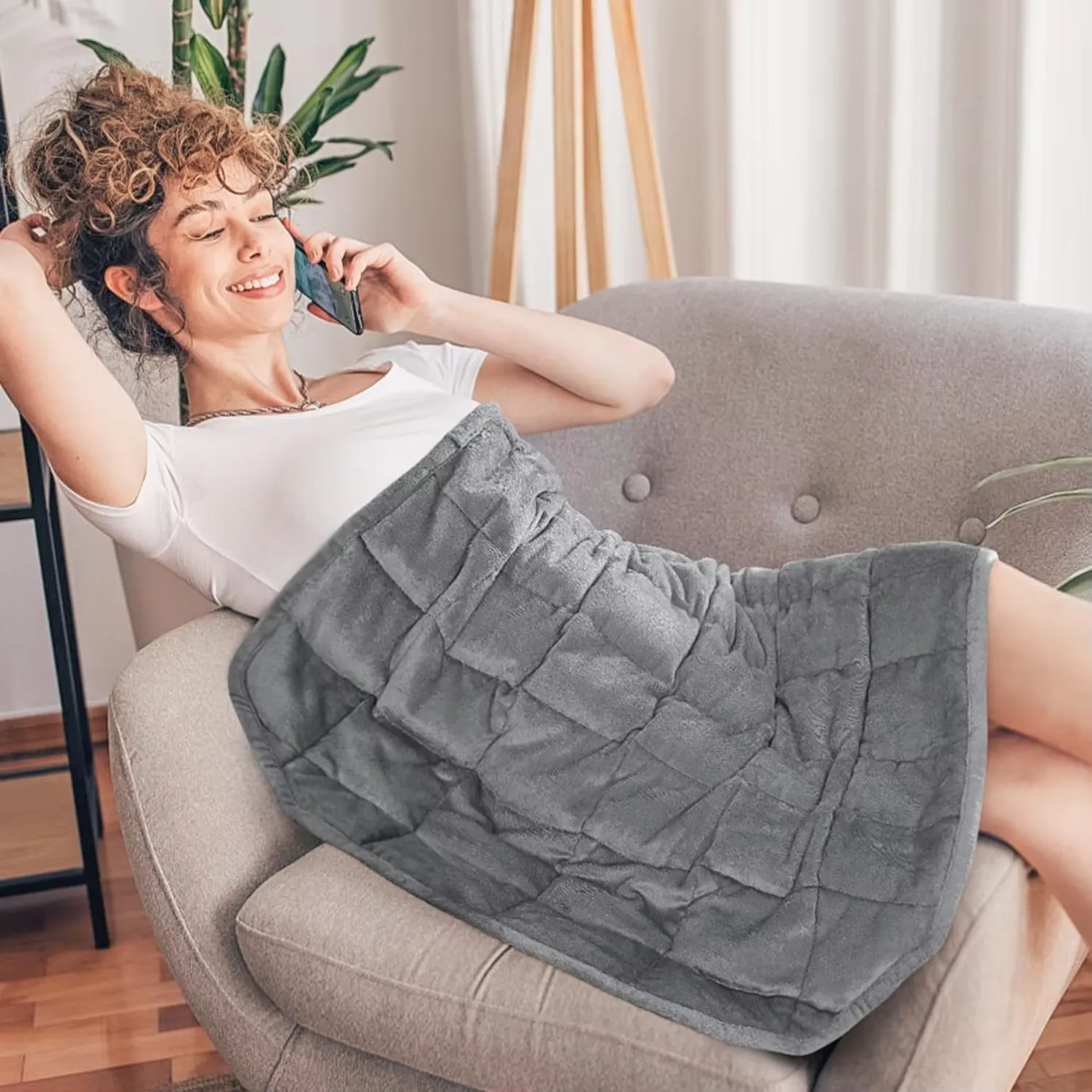
Cotton: simple and familiar
Cotton remains a practical choice for many bedding products.
It has a familiar natural feel and can work well for customers who prefer breathable-feeling bedding.
For brands targeting a clean and simple product image, cotton can also be easier to communicate.
But cotton is not automatically the best answer.
The exact fabric construction, finishing and weight still matter.
And if your product needs a very soft, plush hand feel, another fabric may be more suitable.
Microfiber: practical for everyday use
Microfiber is another common option.
It can offer a smooth and soft hand feel and is often chosen for practical reasons such as durability, colour consistency and easy care.
For a value-conscious retail product, microfiber can make sense.
But again, the specific fabric matters.
“Microfiber” is a broad category, not a complete quality specification.
When comparing suppliers, ask for the actual fabric composition and specifications rather than comparing only the material name.
Minky: soft, cosy and warmer
Minky is popular for customers who like a very soft and plush feeling.
It can work particularly well for blankets designed around comfort, relaxation and cosy home use.
The trade-off is that plush fabrics can retain more warmth than lighter, more breathable fabrics.
This does not make minky a bad choice.
It simply means that the product positioning needs to match the material.
A winter comfort product and a summer sleep product have different requirements.
What about the filling?
The filling is just as important as the outer fabric.
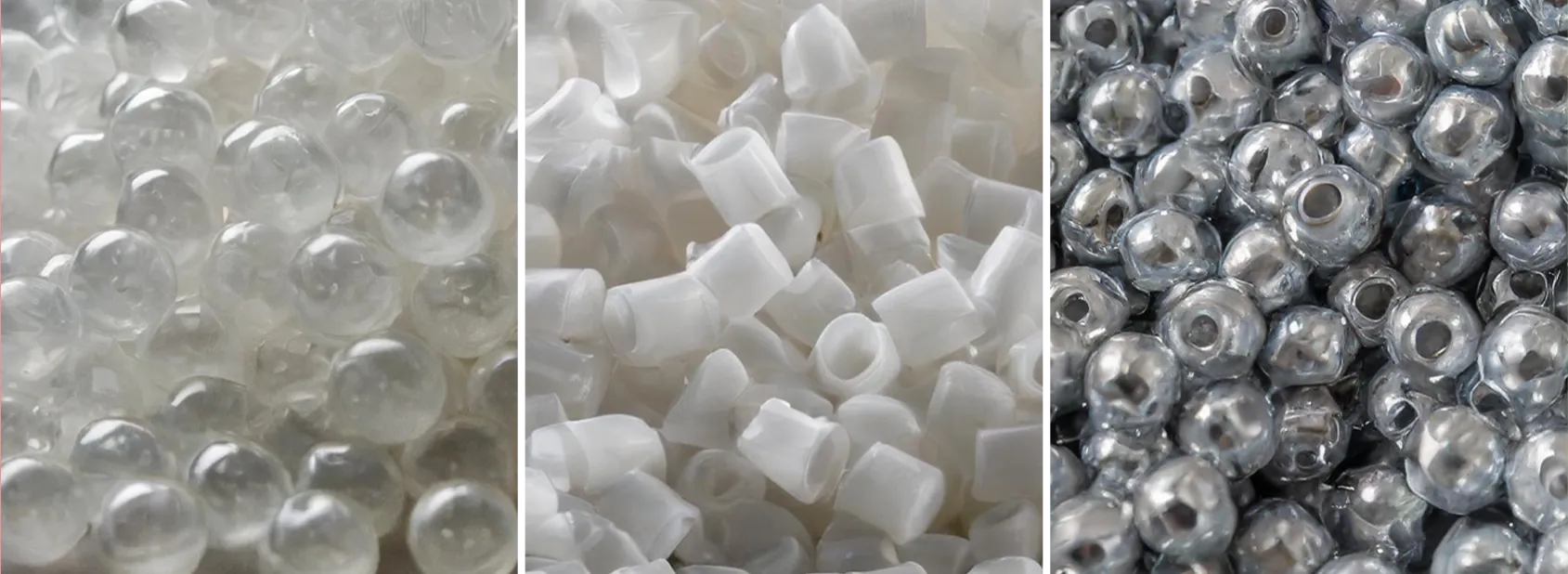
Glass beads are commonly used because their relatively small size can help create a smooth and compact weighted blanket.
Plastic pellets are another option and can be suitable for products where durability and cost are important considerations.
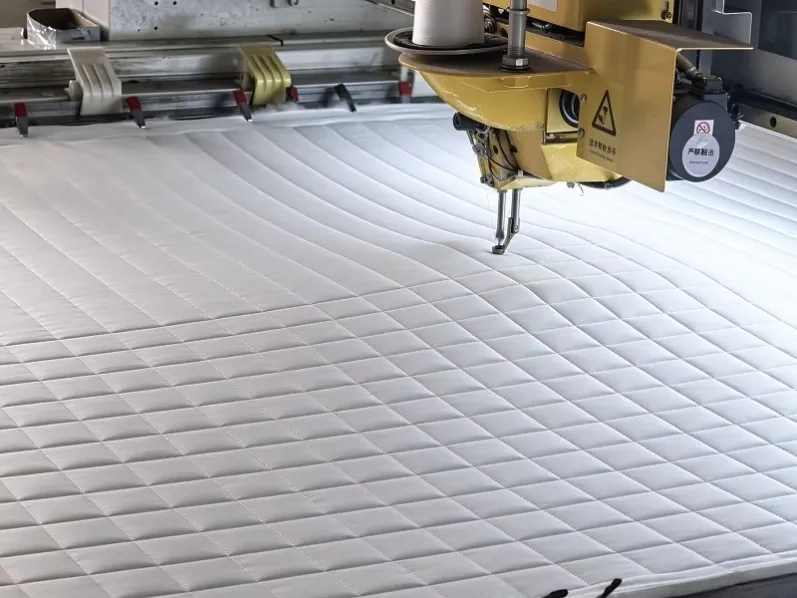
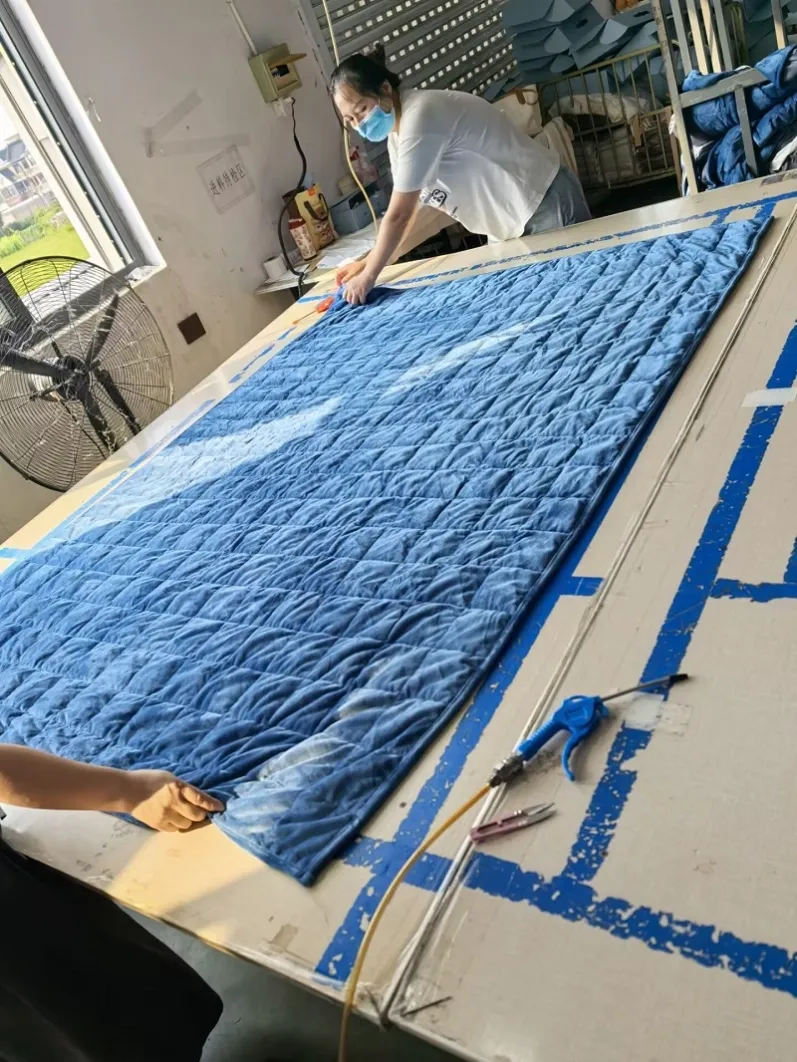
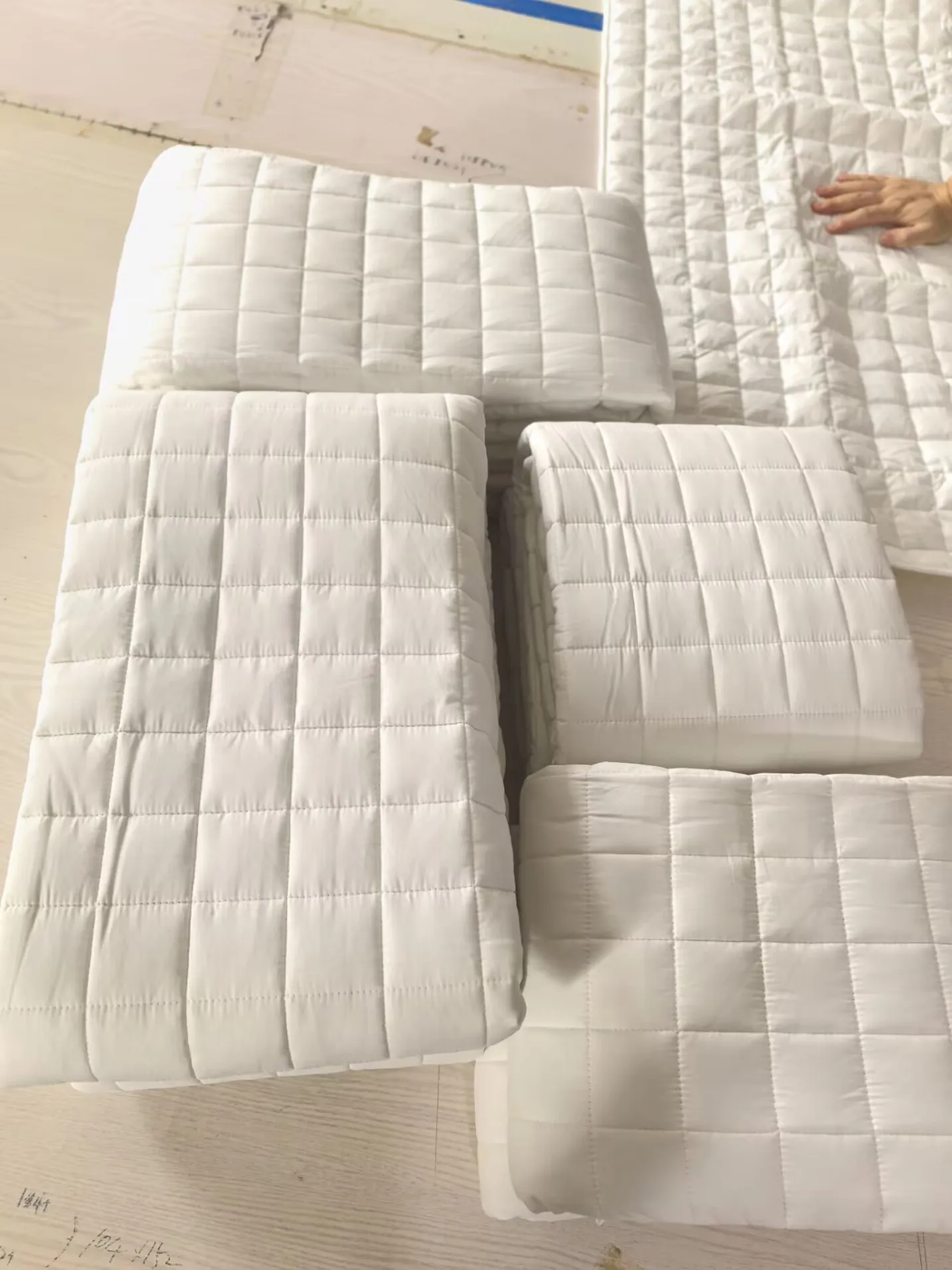
The filling also needs to work with the pocket construction.
If the pockets are too large, the filling may move more than expected.
If the construction is not well controlled, the blanket may not feel consistent across the surface.
This is why I always prefer to discuss the fabric and filling together instead of treating them as separate decisions.
Do not forget the cover
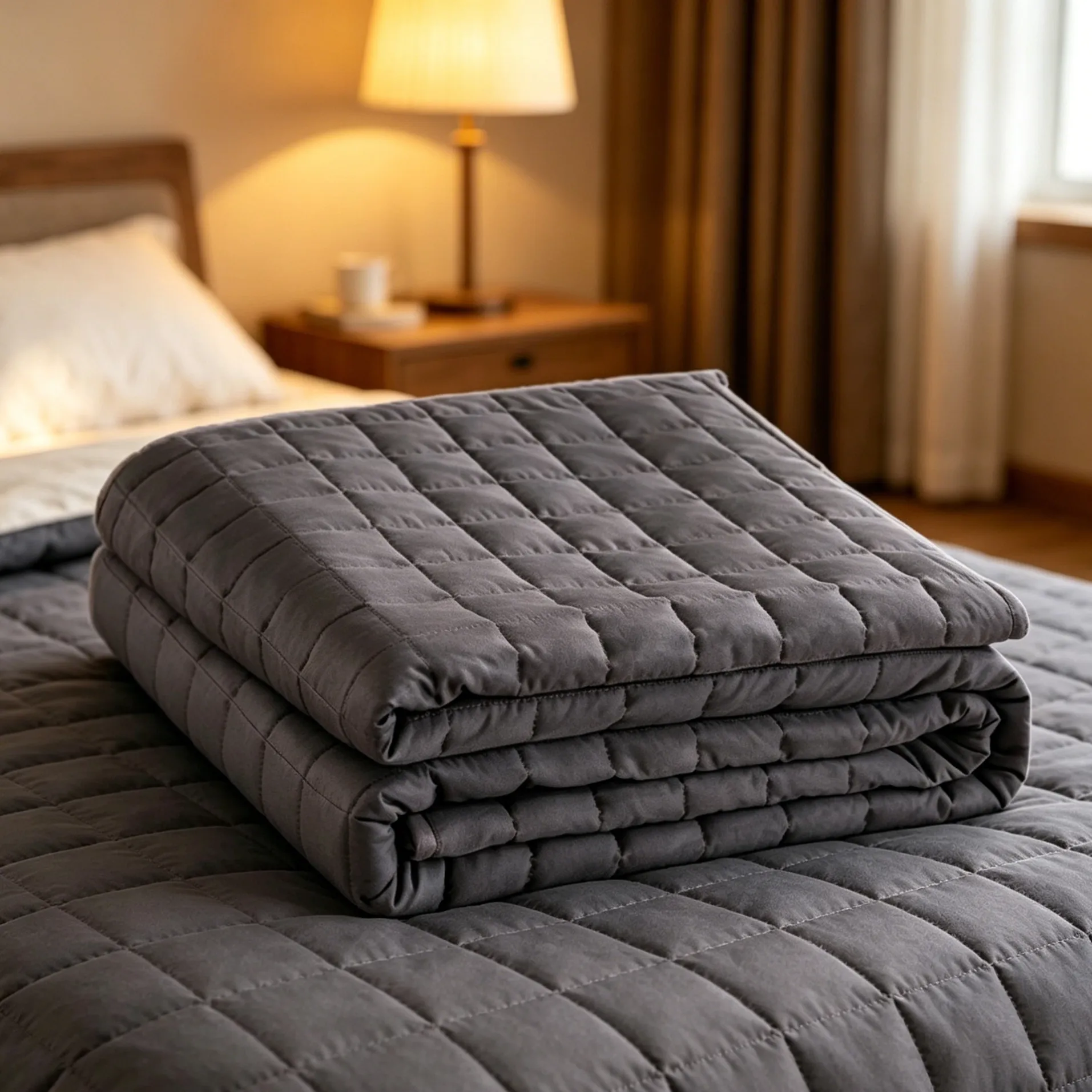
For many retail products, a removable cover is worth considering.
The cover can make the product easier for consumers to wash and can also give brands more flexibility.
For example, the inner weighted blanket can remain the same while the brand offers different cover fabrics or colours.
This can also make product development more flexible when you want to create different collections for different seasons.
But the cover construction, zipper quality and size compatibility all need to be checked during sampling.
There is no “best” material
This may sound like an unsatisfying answer, but I think it is the honest one.
There is no fabric that is best for every weighted blanket.
There is no filling that is best for every market.
The right combination depends on your target customer, retail price, climate, product positioning, washing requirements and expected usage.
That is why copying another brand's material specification does not always work.
Your customer may be different.
Your price point may be different.
Your market may be different.
Build the product around the market
For brands and importers, material selection should be part of product development, not just a purchasing decision.
Before asking a supplier for a final quotation, it is helpful to define:
- Target market
- Product size
- Target weight
- Preferred fabric
- Filling type
- Cover requirement
- Target price range
- Packaging concept
- Expected order quantity
With this information, a supplier can give you a much more useful proposal.
If you already have an idea for a weighted blanket but are not sure which fabric or filling combination makes sense, send us your requirements. We can help you compare the options and develop a sample based on your target market and price level.
📩 Send us your project needs or specifications, and we will respond with a clear quotation and production suggestion within 24 hours.
Email: info@hengmy.com