Oct 22, 2026Weighted Blankets
How Quilting Helps Keep Weighted Blanket Filling in Place
Learn how quilting creates compartments, controls glass bead movement and supports consistent construction in weighted blankets.
How Does Quilting Help Keep Weighted Blanket Filling in Place?
Quilting Is More Than a Surface Pattern
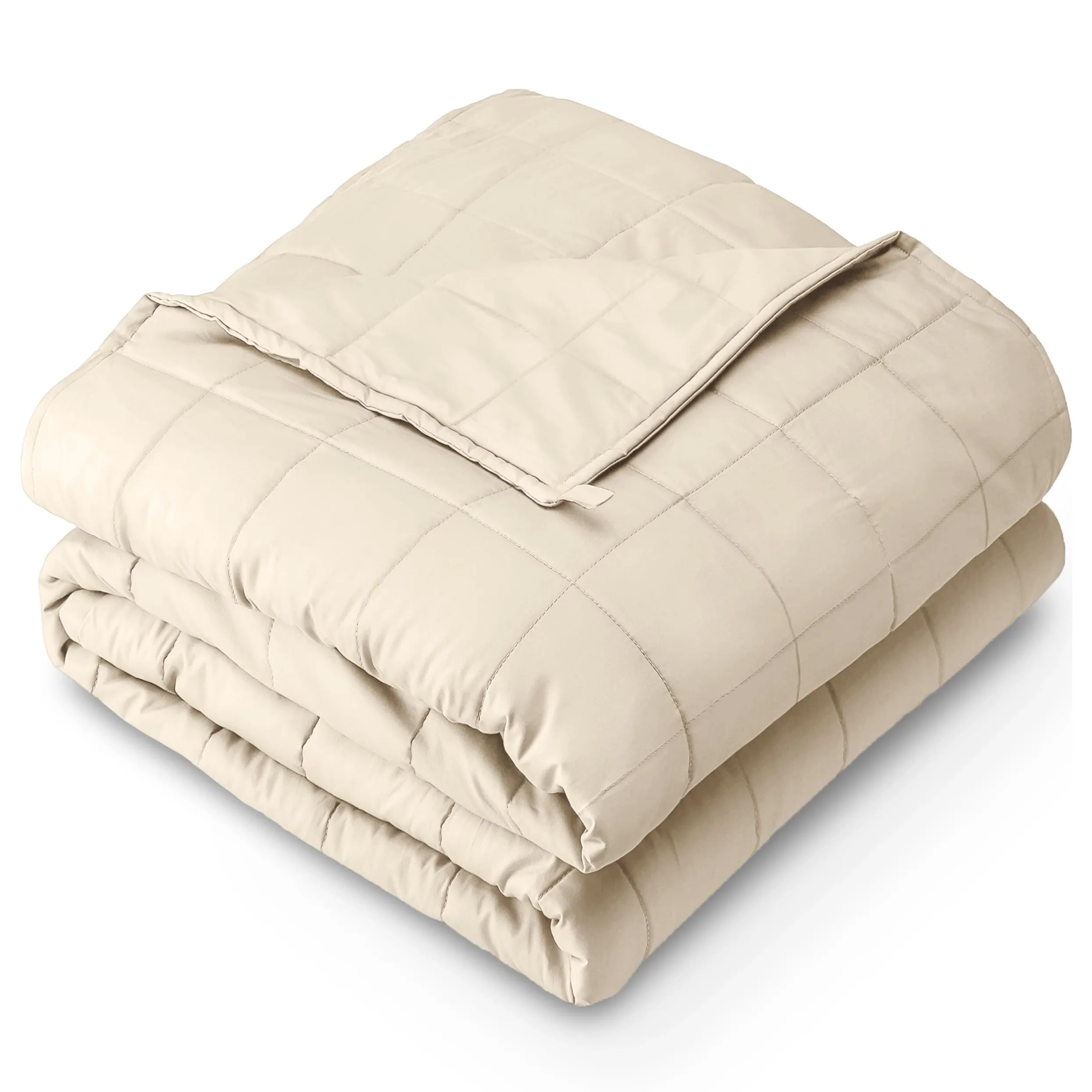
When you look at a weighted blanket, the stitched squares may look like a simple design detail. But quilting has an important job inside the product.
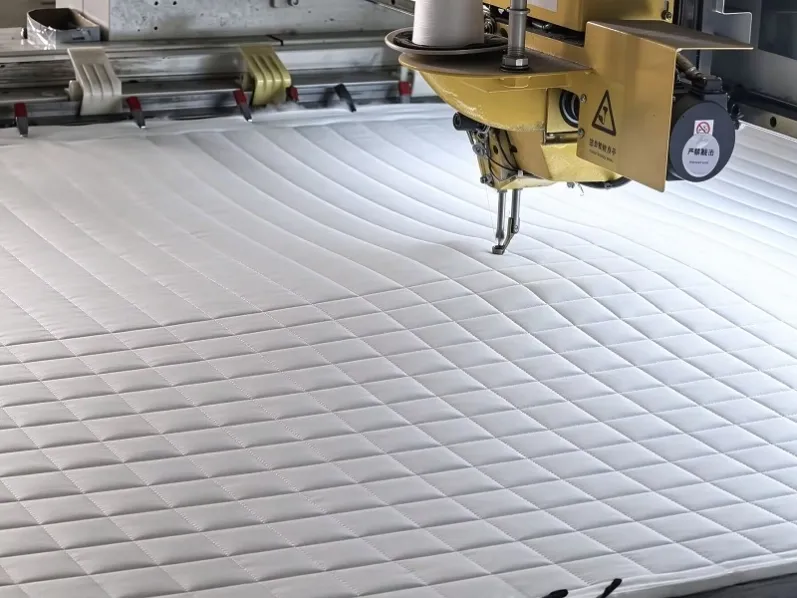
A weighted blanket contains glass beads that provide the weight. These beads need to stay distributed across the blanket instead of moving freely from one side to another. Quilting helps achieve this by joining the fabric layers and dividing the filling area into separate compartments.
For product developers, quilting is not only about appearance. It is part of the construction that affects how the filling is contained and how consistently the blanket can be made.
Quilting Creates Separate Compartments
Without internal stitching, the filling would have much more room to move around inside the blanket. When the blanket was lifted or turned, the beads could gather in a lower area.
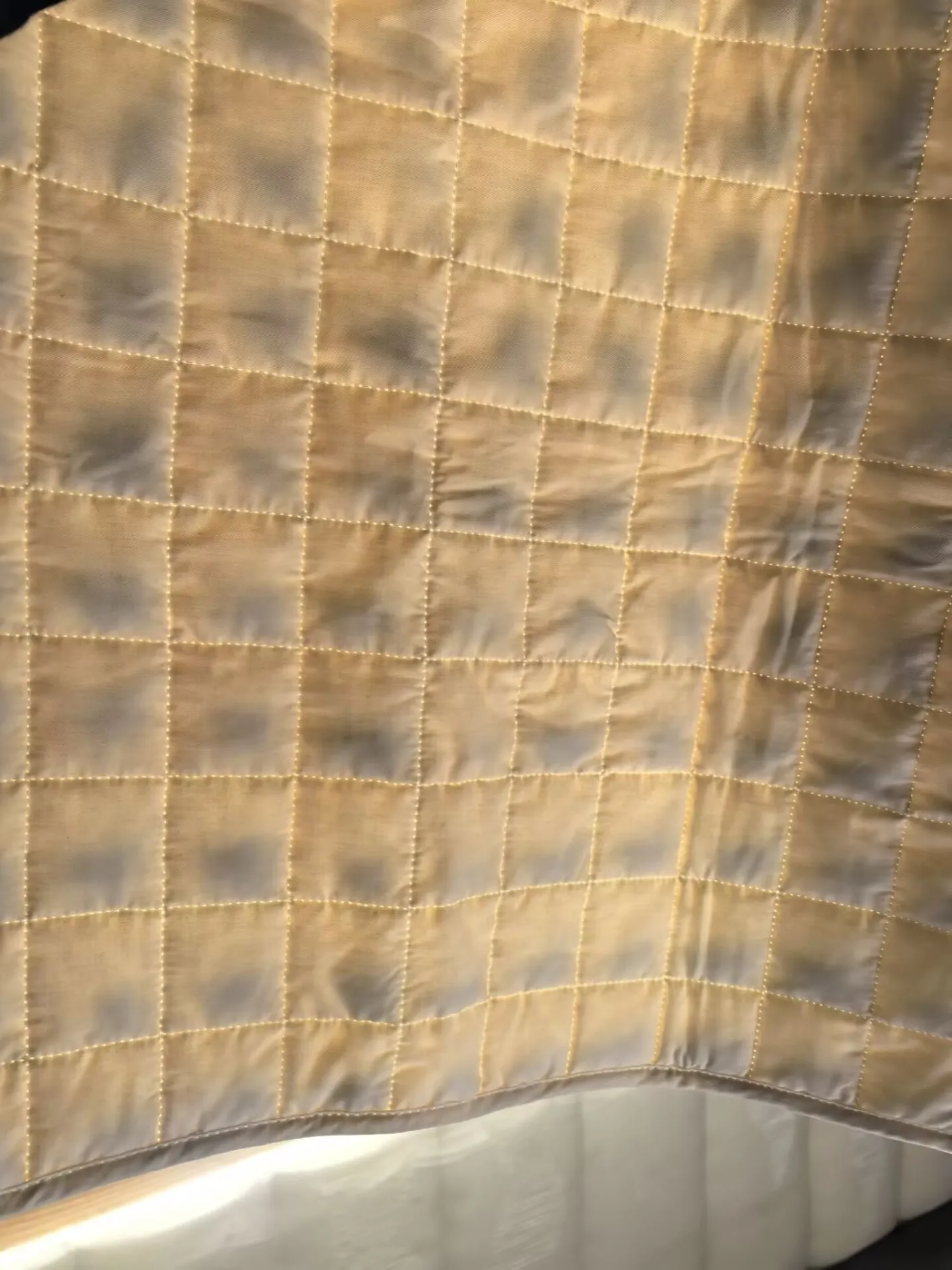
Quilting divides the filling area into separate pockets. Each pocket holds a portion of the glass beads, limiting how far they can travel across the blanket.
The beads can still move within their own pocket. The purpose is not to stop every bead from moving, but to restrict movement between sections.
This is why the quilting pattern needs to be planned as part of the product structure, rather than added only for decoration.
Quilting Helps Control Weight Distribution
A blanket can have the correct total weight but still feel different from one area to another if the filling is not distributed consistently.
The pocket structure helps keep the filling in defined areas. However, quilting alone cannot guarantee even weight distribution. The amount of glass beads placed in each pocket also needs to be controlled during production.
The blanket size, target weight and number of pockets are connected. If the size or quilting layout changes, the filling plan may also need to change.
For example, a larger blanket with more pockets will need a different filling calculation from a smaller blanket of the same total weight. The goal is to make sure the filling quantity matches the agreed construction.
Stitching Quality Matters
The pockets are formed by stitching through the fabric layers. These stitched lines separate the compartments and help keep the filling within the intended sections.
If a seam opens or the stitching is not suitable for the construction, beads may escape or move into an adjacent pocket. This can affect the blanket's appearance and how the weight feels.
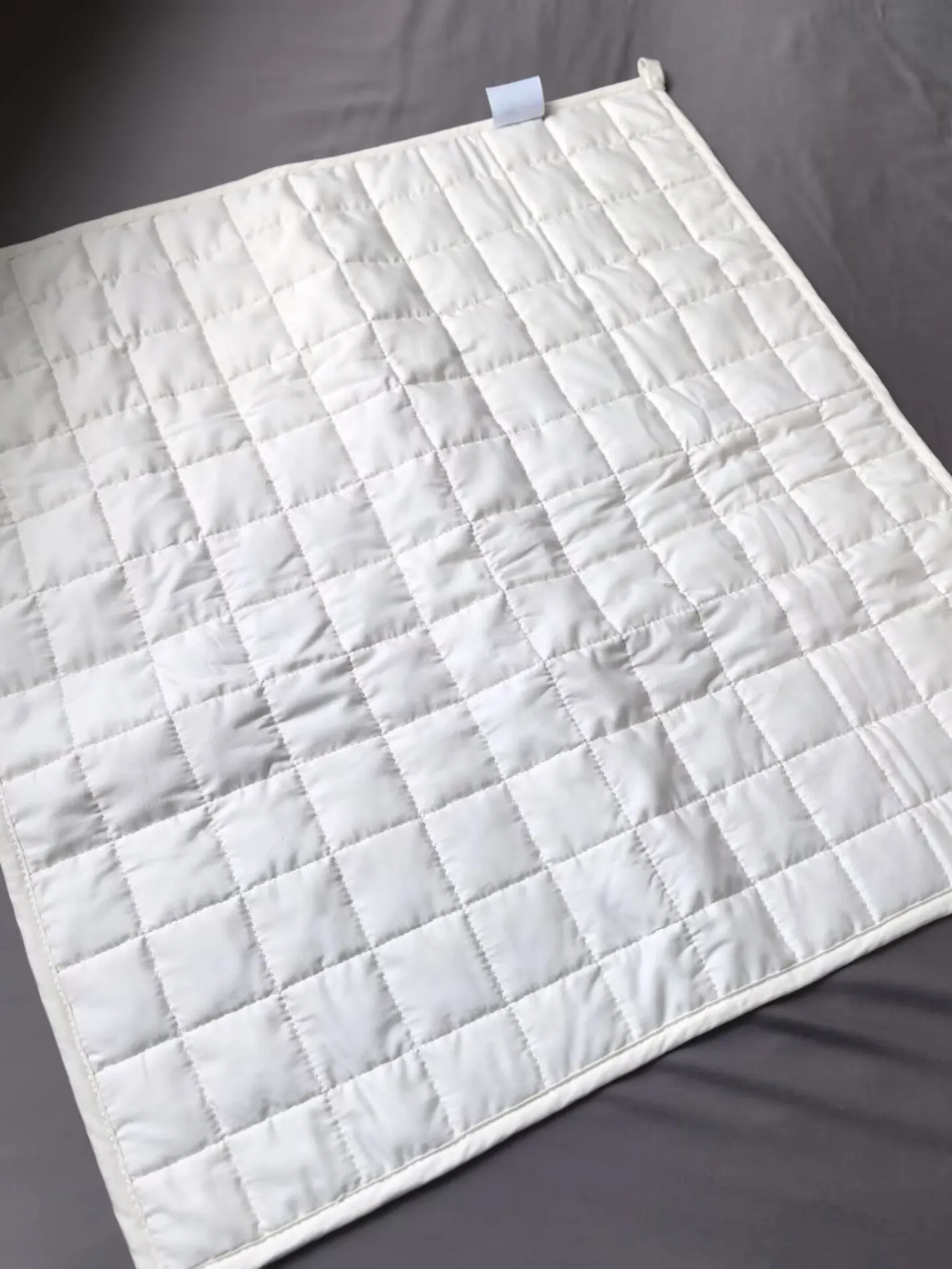
For this reason, it is important to check more than the visible quilting pattern. Stitching consistency, fabric choice and the complete construction all need attention.
A sample should be reviewed for workmanship as well as appearance. For bulk production, the finished products should also follow the approved sample and agreed specifications.
Quilting Works Together With the Other Materials
Quilting does not work on its own. It needs to suit the filling, fabric and layer structure.
Glass beads, for example, are small, mostly 0.8-1mm diameter, so the pocket construction needs to contain them properly. The outer fabric and any additional lining also matter, especially when a fabric needs extra support to help reduce the risk of bead leakage.
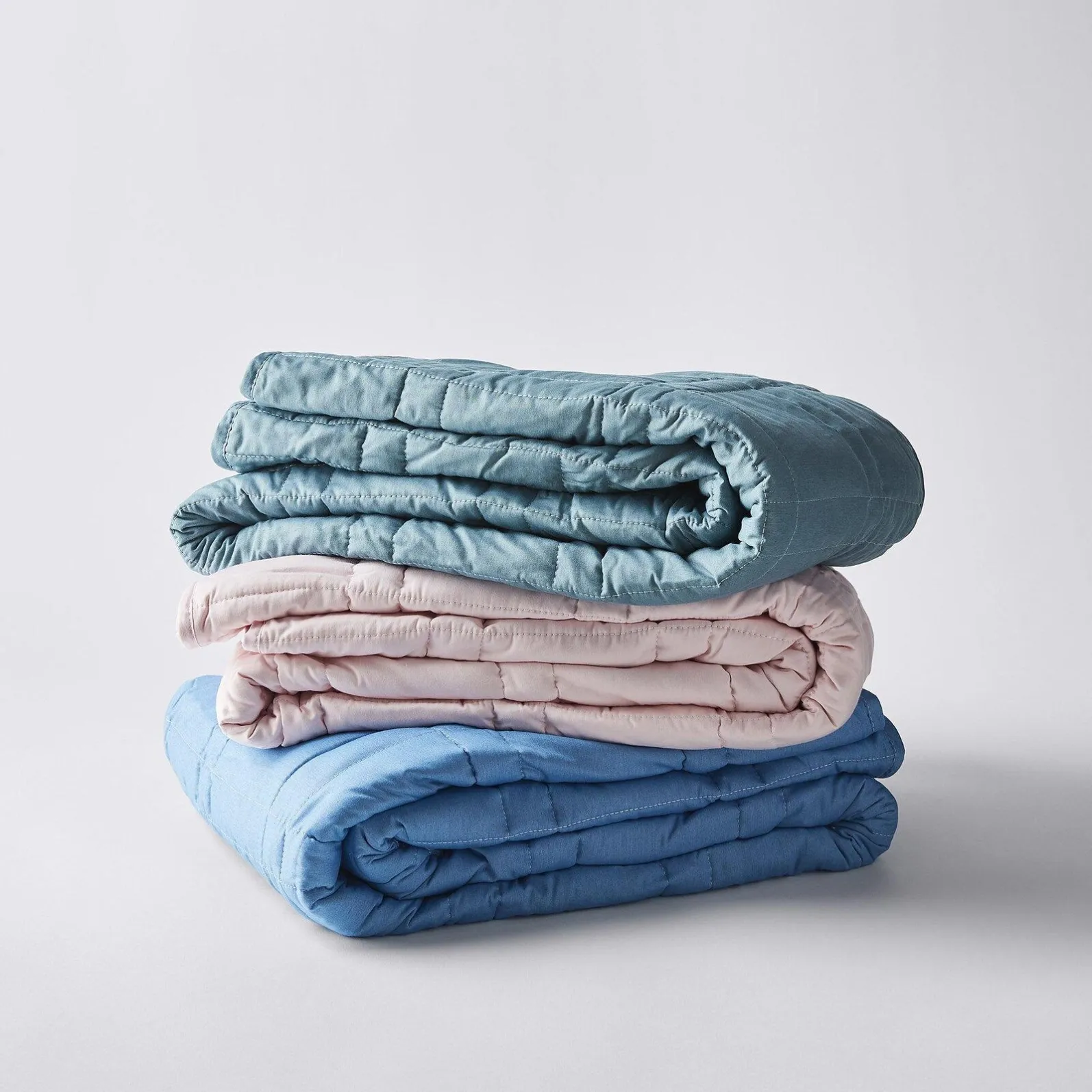
The required quilting and lining may differ depending on the product. A cotton weighted blanket and one made with plush fabrics may not need exactly the same construction.
This is why it is useful to confirm the outer fabric, filling, pocket size and lining requirements before making a sample.
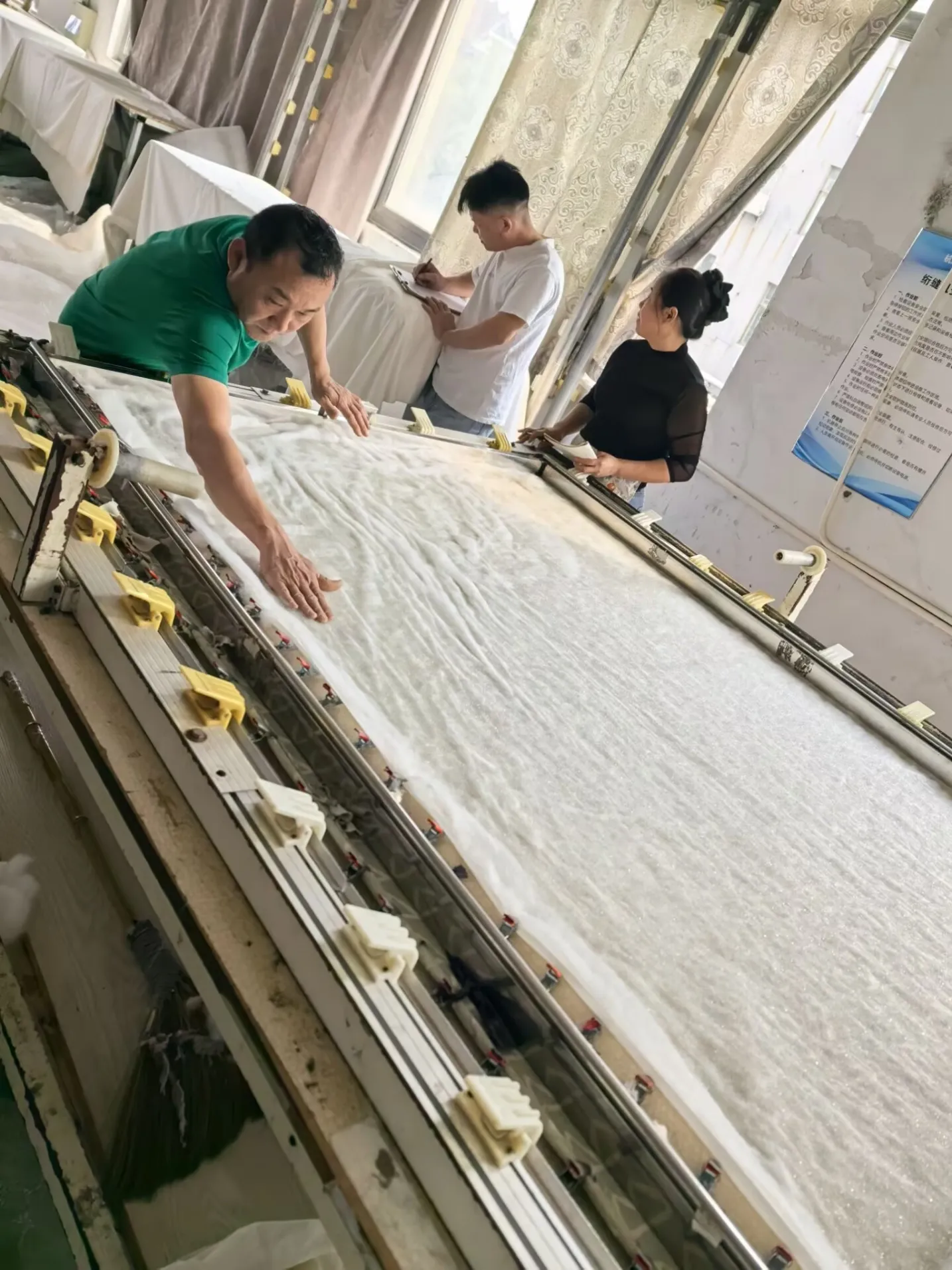
Choosing a Quilting Structure for Your Product
There is no single quilting specification that fits every weighted blanket. The choice depends on the intended product, target market, price requirements and the rest of the construction.
We offer three regular quilting sizes: 5×5 cm, 7×7 cm and 10×10 cm. And also can customize other quilting sizes as clients' request, such as 8 x 8 cm, 9 x 9cm, etc.
Smaller pockets give the filling less room to move within each compartment, but they require more quilting work and cost more to produce. Larger pockets are more economical, while the filling has more room to move within each section.
The best option is the one that fits your product requirements and price target. Pocket size, filling quantity and stitching should be considered together rather than decided separately.
Developing a Custom Weighted Blanket?
If you are planning a private-label weighted blanket, we can discuss the quilting size and construction according to your target weight, finished dimensions, outer fabric and price range.
Share your current specifications or product reference with us. We can review the details with you and prepare a quotation based on your requirements.
More related pages:
Request a Quote to discuss the quilting and construction for your next weighted blanket project.
📩 Send us your project needs or specifications, and we will respond with a clear quotation and production suggestion within 24 hours.
Email: info@hengmy.com