Sep 28, 2026Memory Foam Pillows
Memory Foam Pillow Packaging: What B2B Buyers Should Know
Learn how memory foam pillow packaging affects carton size, compression, Amazon FBA costs, pallet requirements, loading quantity and shipping.
Memory Foam Pillow Packaging: What B2B Buyers Should Know
When buying memory foam pillows, clients mostly ask about price, lead time and MOQ. Packaging is sometimes treated as the last step.
The product is confirmed first.
Then the buyer asks:
“How should we pack it?”
From our experience, packaging should be discussed much earlier.
Because you are not only buying the pillow.
You are also shipping the packaging around it.
And the packaging method can affect carton size, loading quantity, shipping volume and the final cost of the project.
Flat Packed or Compressed?
One of the first questions is how the pillow will be packed.
A memory foam pillow can be packed without compression, or it can be compressed or roll-packed to reduce its volume.
These two methods can lead to very different carton dimensions.
A pillow packed without compression may take up more space during transportation. Compression can reduce shipping volume, but it also needs to be considered together with the foam type, density, pillow shape and recovery characteristics.
A pillow that is compressed for shipping needs to recover properly after unpacking.
So compression should not be treated simply as a way to “make the carton smaller”.
The product itself needs to be suitable for the packing method.
Individual Packaging Matters
The individual package is another detail that affects the final packing plan.
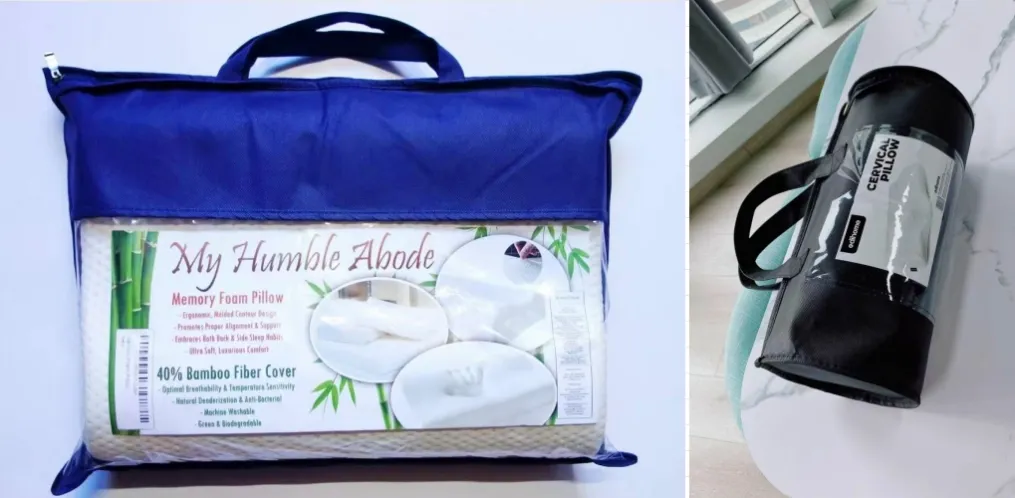
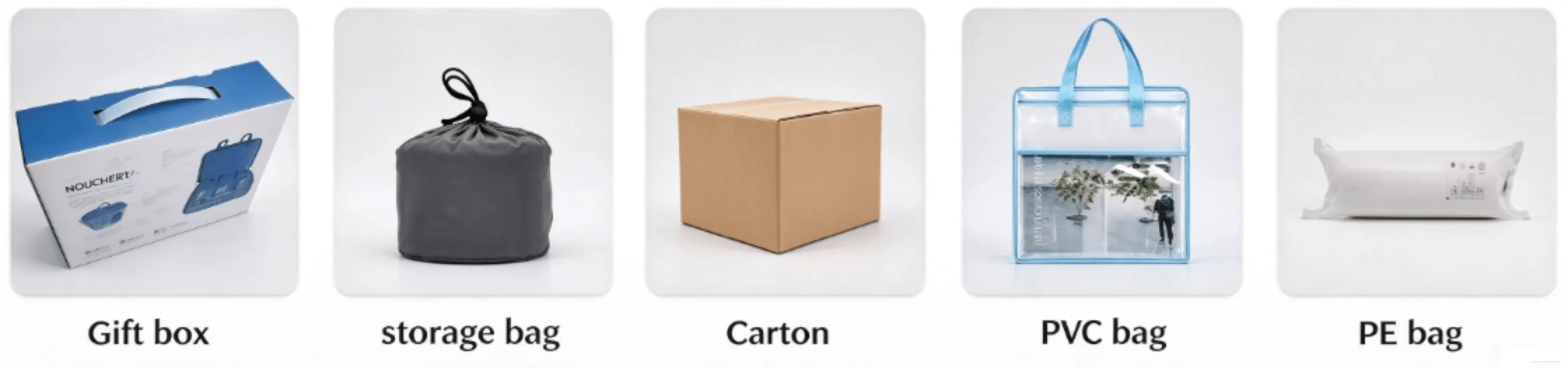
Depending on the project, a pillow may use a polybag, non-woven bag, printed packaging or another customized solution.
Even a non-woven bag can be handled in different ways. A flat-packed bag, for example, takes up a different amount of space from a roll-packed solution.
These details may look small, but when you have thousands of pieces, they can affect the final carton dimensions and shipping plan.
The important point is not that one method is always better.
It is whether the packaging fits the product, presentation requirements and shipping plan.
Carton Size Can Affect More Than Shipping
For B2B buyers, the carton is not just an outer box.
Carton dimensions affect how many pieces can be loaded together, but they can also matter after the products arrive at the destination.
This is especially important for sellers using Amazon FBA.
Amazon fulfillment fees can depend on the product's size and weight. A product that moves into a larger size tier can have a different fulfillment cost, so packaging dimensions should be considered during product development, not after production is finished.
For example, when developing a pillow for an FBA seller, we may look at the packed size together with the product weight.
The goal is not simply to make the package as small as possible.
It is to find a practical packing method that keeps the product within a reasonable size and weight range without creating problems for the product itself.
Pallets Also Need to Be Considered
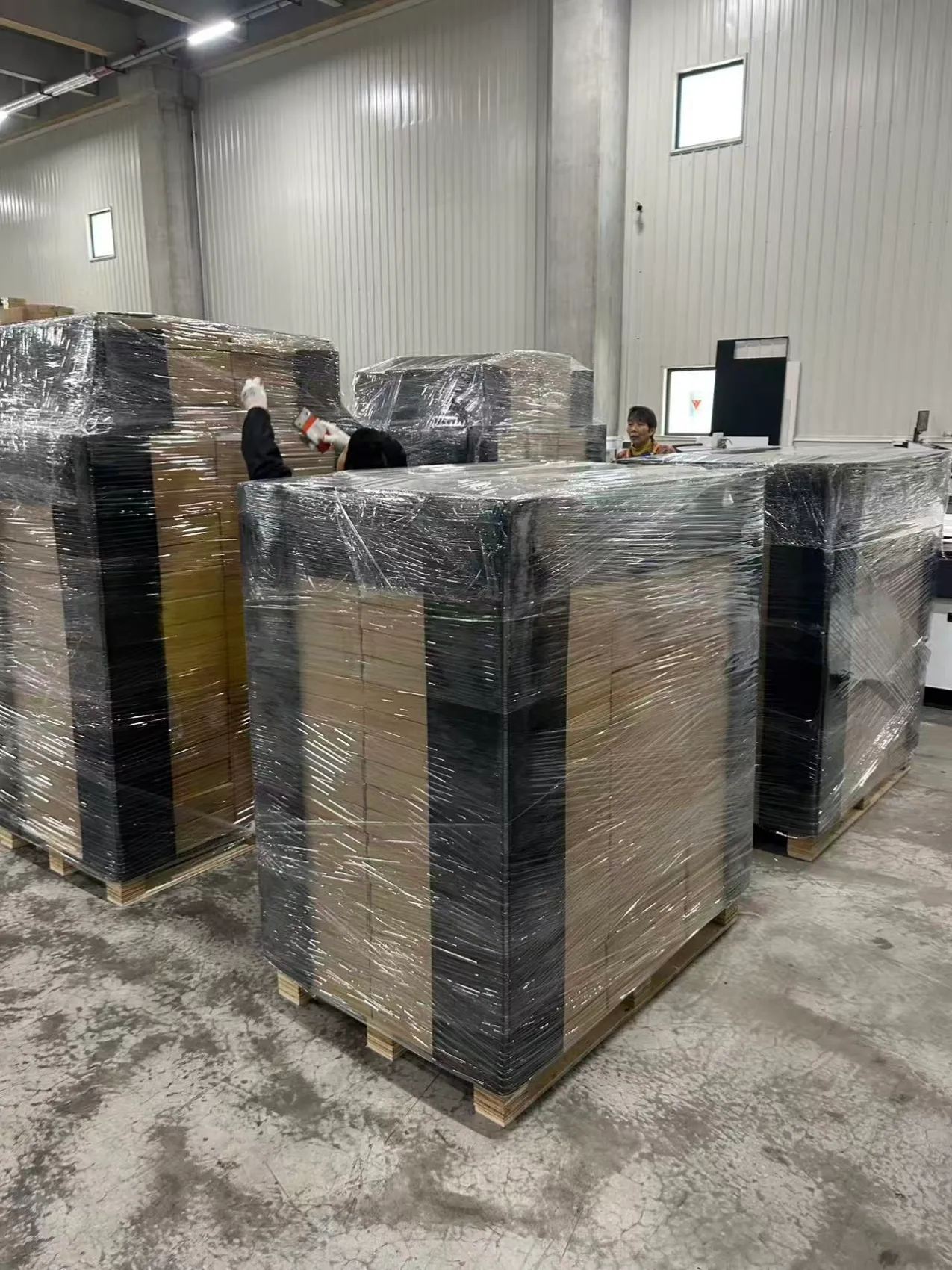
For larger shipments going to warehouses, pallet requirements can also affect the packing plan.
For example, some European customers using standard pallets may require a 1200 × 800 mm pallet size.
If the pallet specification is not confirmed before packing, the final arrangement may need to be changed later, which can create extra handling or logistics costs.
This is why we prefer to ask about the customer's warehouse or fulfillment requirements before confirming the final packaging.
Packaging and Landed Cost
This is where packaging becomes more important for importers, wholesalers, brands and Amazon sellers.
A pillow has a product cost.
Then there is packaging.
Then transportation.
And sometimes there are additional costs caused by the way the product is packed or delivered.
So when comparing suppliers, it is useful to compare more than just the price per pillow.
It is better to look at the complete picture:
Product + Packaging + Carton Size + Loading Quantity + Shipping + Fulfillment Requirements
This does not mean that the smallest package is always the right choice.
A package still needs to protect the product and meet the buyer's presentation requirements.
The goal is to find a practical balance between product protection, packaging requirements, shipping efficiency and the customer's final cost.
What Should You Confirm Before Bulk Production?
Before placing a larger order, it is useful to confirm:
- Individual packaging
- Compression or non-compression
- Carton dimensions
- Pieces per carton
- Carton markings
- Label requirements
- Pallet requirements
- Estimated container loading
- Final delivery or fulfillment requirements
If you are still developing the product, you do not need to have every packaging detail ready from the beginning.
But it is better to discuss the packaging plan before the final quotation and bulk production.
From our side, the goal is simple:
Help the customer receive the right product with the lowest practical cost and the lowest avoidable risk.
That is why packaging is not something we like to leave until the last step.
If you are developing a private label memory foam pillow, send us the pillow size, target quantity, destination and your preferred packaging idea. We can help you review the packing options and work out a practical packaging plan before production.
More related pages:
📩 Send us your project needs or specifications, and we will respond with a clear quotation and production suggestion within 24 hours.
Email: info@hengmy.com