Sep 3, 2026Weighted Blankets
What Makes a Good Weighted Blanket?
A practical guide for buyers on what to check in a weighted blanket, from weight distribution and stitching to fabric, filling and everyday durability.
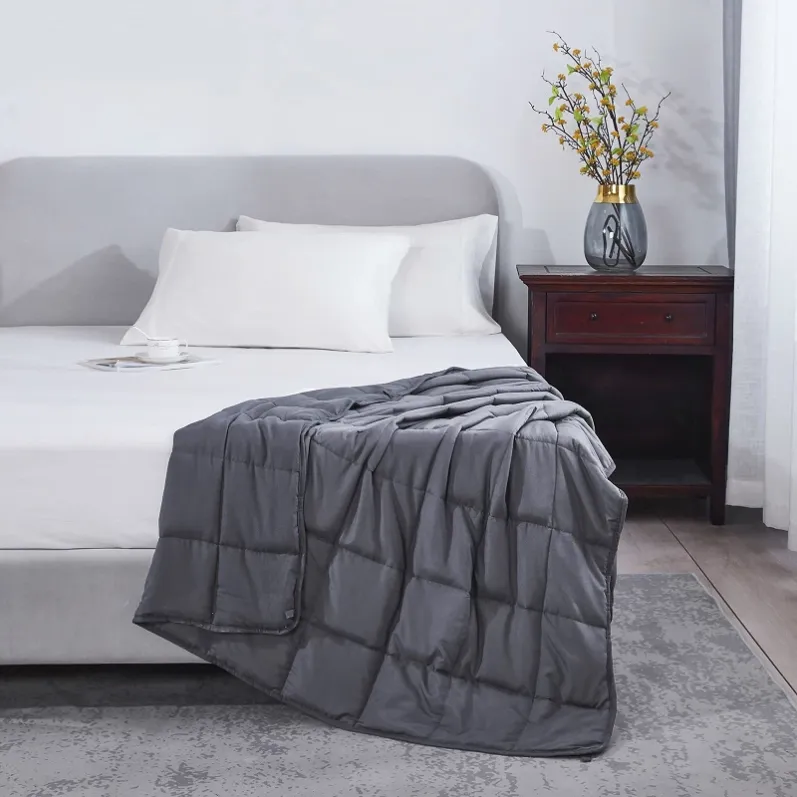
What Makes a Good Weighted Blanket?
If you are sourcing weighted blankets for your brand, it is easy to focus on the price first.
How much does it cost?
What is the MOQ?
Can the supplier add our logo?
These questions are important. But there is another question that is often more important:
What actually makes a weighted blanket good?
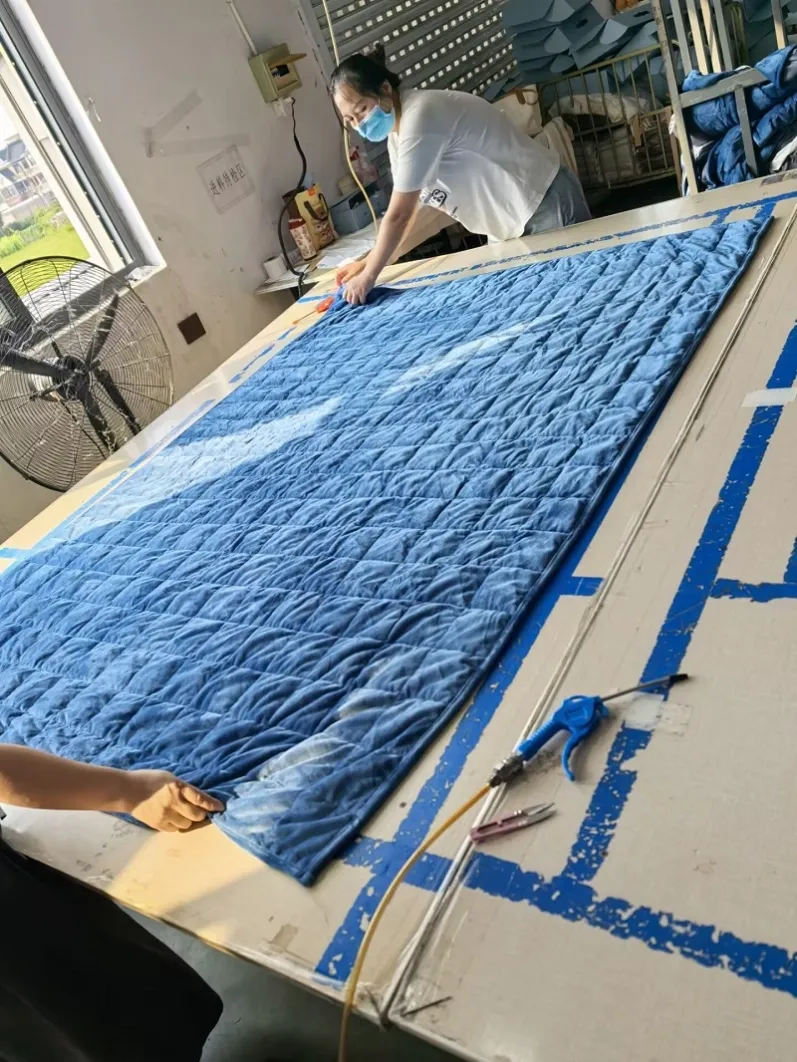
A weighted blanket may look simple from the outside. But the quality of the finished product depends on many details that are not easy to see from a product photo.
For brands, wholesalers and retailers, these details can make a real difference after the product reaches the customer.
Weight distribution matters
One of the first things I would check is how the weight is distributed.
A weighted blanket normally contains small pockets that hold the filling. The purpose is to keep the weight reasonably even across the blanket instead of allowing all the filling to move to one area.
This sounds simple.
It is not always simple in production.
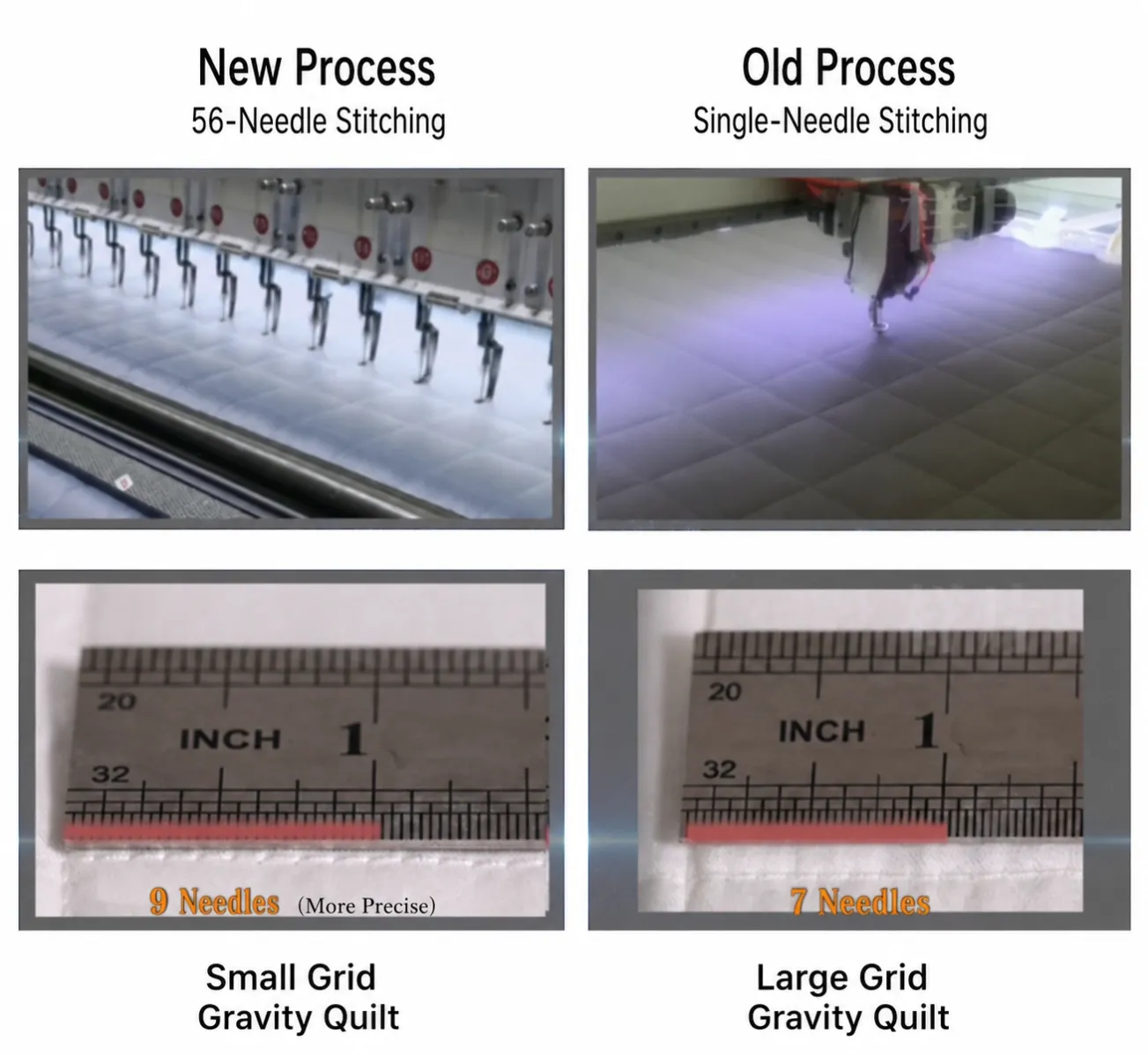
The size of the pockets, quilting pattern, filling amount and sewing quality all affect how the blanket feels.
If the filling moves too much, some areas may feel heavier while other areas feel almost like a normal blanket.
For the end user, this can quickly become a comfort problem.
For a brand, it can become a customer review problem.
That is why I would not judge a weighted blanket only by its total weight.
The question should also be:
How well is that weight controlled?
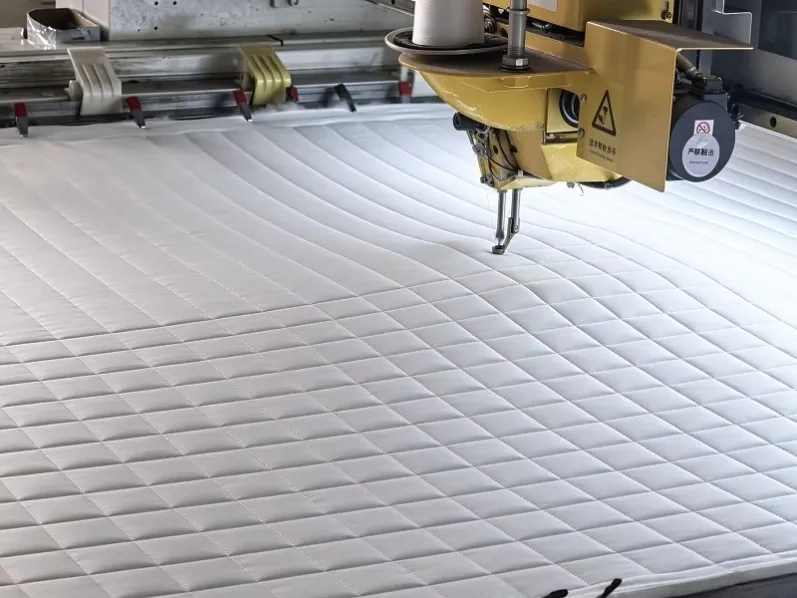
Stitching is not just about appearance
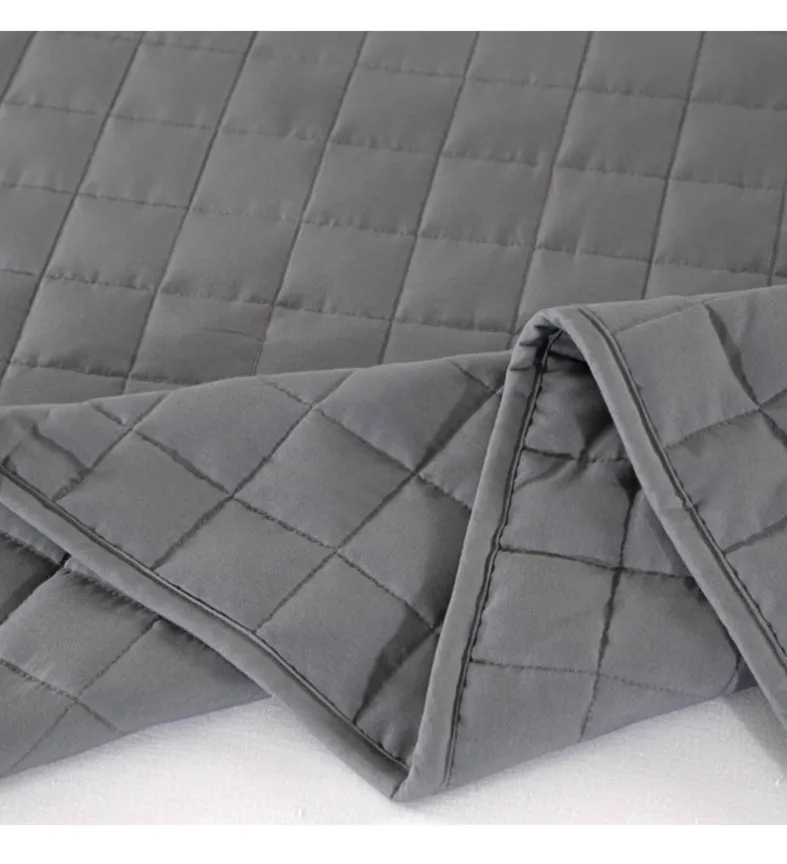
The quilting pattern is another detail worth checking.
Good-looking stitching is important, but its job is not only to make the blanket look neat.
The stitching helps create separate compartments and helps keep the filling where it should be.
This is especially important when the blanket is washed, folded, packed or used repeatedly.
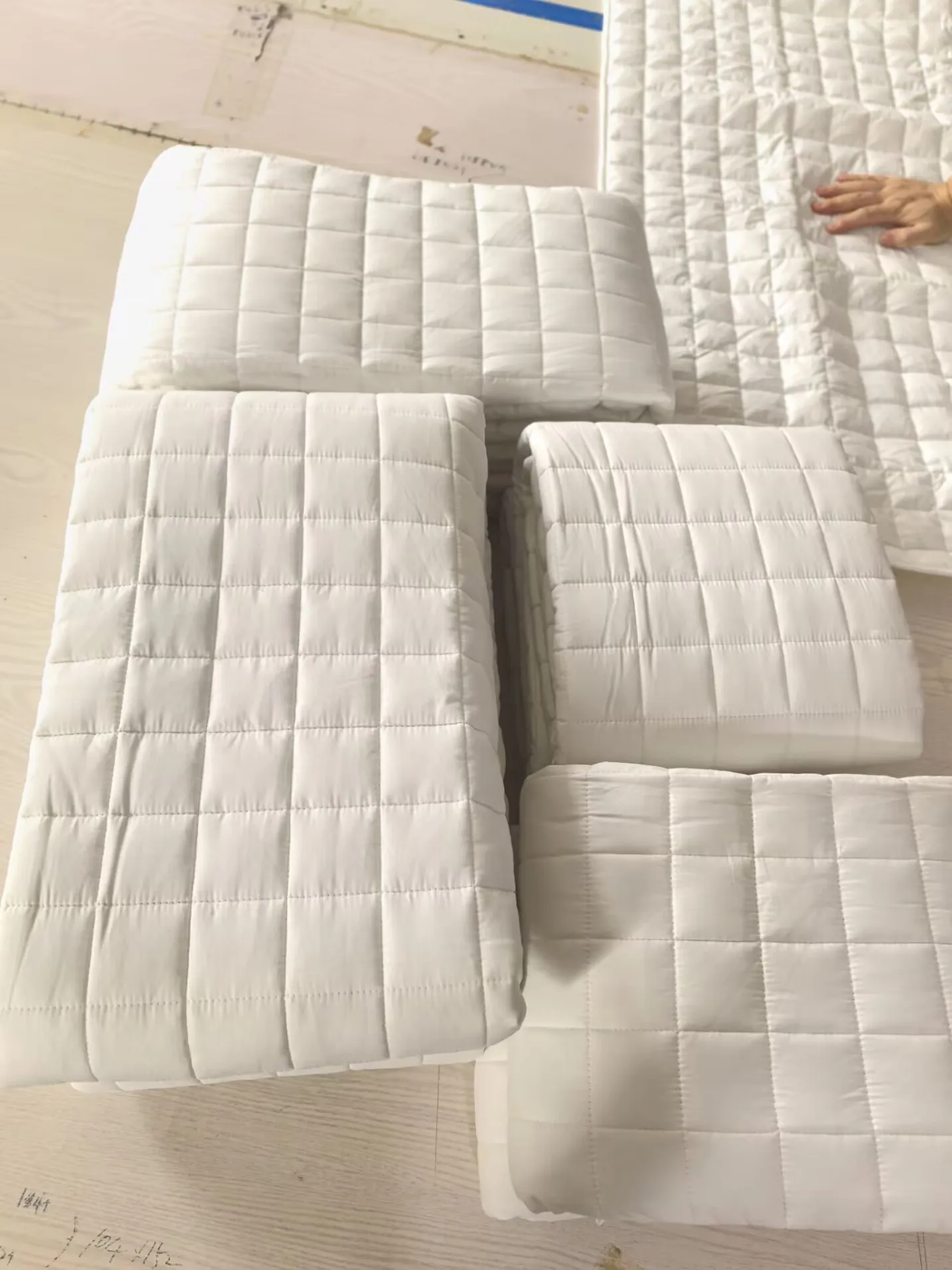
Before placing a larger order, it is worth checking the sample carefully.
Look at the stitching.
Check the corners.
Check whether the pockets are consistent.
And, if possible, ask how the construction is tested for repeated use and washing.
These are not exciting questions.
But they are the kind of questions that can prevent problems later.
The filling changes the product
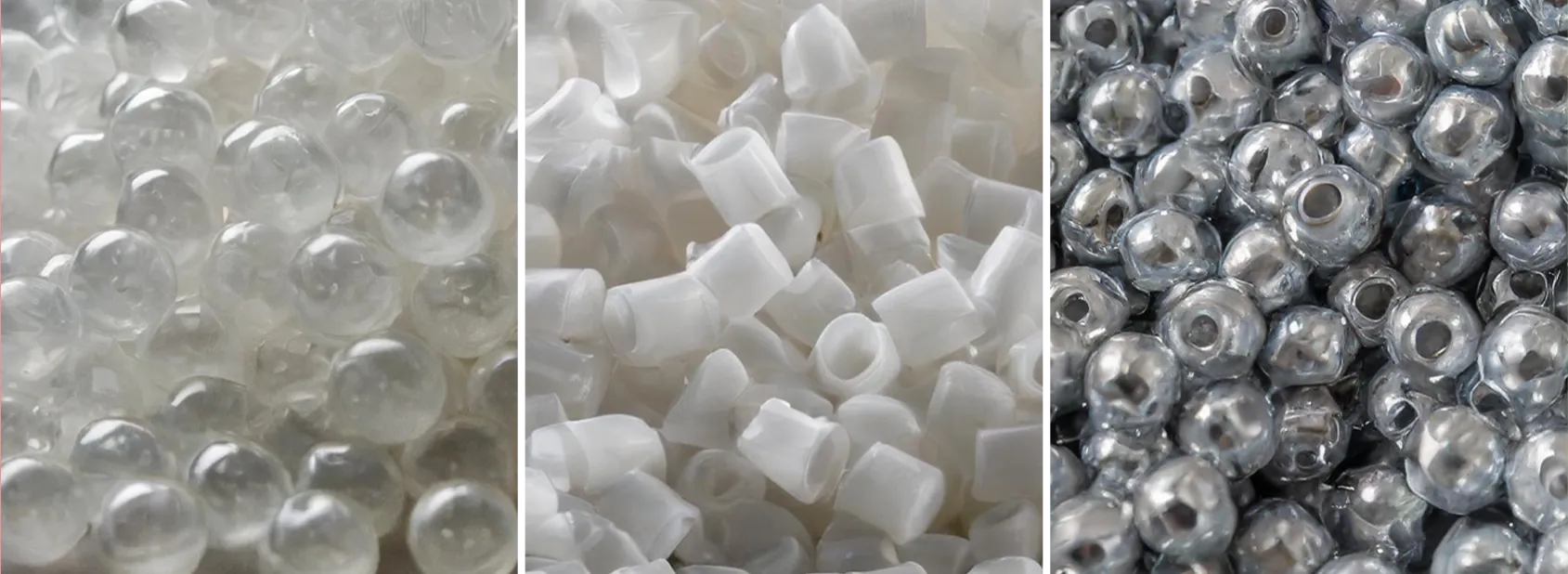
Glass beads and plastic pellets are two common options used in weighted blankets.
Glass beads can provide a relatively fine and smooth filling, which allows manufacturers to create a more compact construction.
Plastic pellets can also be used and may offer advantages in durability and cost depending on the product design.
The important point is that the filling should match the product positioning.
A premium retail product and a value-oriented wholesale product may not need exactly the same construction.
There is no single filling that is automatically right for every market.
Fabric changes the customer experience
The outside fabric is another area where buyers sometimes focus too much on price.
Cotton, bamboo, microfiber and minky are all possible choices, but they create different experiences.
Cotton can offer a familiar and breathable hand feel.
Microfiber can be practical and easy to maintain.
Minky can create a very soft and cosy feeling, but it may also feel warmer.
Bamboo-based fabrics may appeal to customers looking for a softer and cooler-feeling option, depending on the specific fabric construction.
So instead of asking:
“Which fabric is cheapest?”
I would ask:
“What kind of product are we trying to sell?”
A summer-focused wellness product and a cosy winter blanket probably should not have the same fabric strategy.
Test the product before scaling
This is one of the simplest pieces of advice I can give buyers:
Do not judge a weighted blanket only from photos.
Request samples.
Feel the fabric.
Check the weight distribution.
Open the compartments if appropriate.
Check the stitching.
Wash the product according to the care instructions.
Then use it for a period of time.
A sample is not just something to approve.
It is your chance to find problems before they become production problems.
A good weighted blanket is a system
The fabric, filling, pocket size, stitching, weight and packaging all work together.
Changing one part can affect the others.
For example, adding more weight does not automatically make a better product. A heavier blanket may not be more comfortable for every user.
Similarly, choosing a softer fabric does not automatically make a premium product if the internal construction is not reliable.
For B2B buyers, I think this is the most important point:
Do not buy a weighted blanket by specification alone.
Look at the complete product.
If you are developing a weighted blanket for your brand or looking for a reliable supplier for wholesale, send us your target size, weight, fabric and quantity. We can help you compare suitable construction options and develop a sample before you move to bulk production.
📩 Send us your project needs or specifications, and we will respond with a clear quotation and production suggestion within 24 hours.
Email: info@hengmy.com