Oct 12, 2026Memory Foam Pillows
3D Mesh Fabric for Pillow Liners and Gel Pillow Covers
Learn how 3D mesh fabric is used for pillow liners and gel memory foam pillow covers, with practical fabric weight and colour options for custom pillow development.
3D Mesh Fabric for Pillow Liners and Gel Pillow Covers
What Is 3D Mesh Fabric Used for in Pillows?
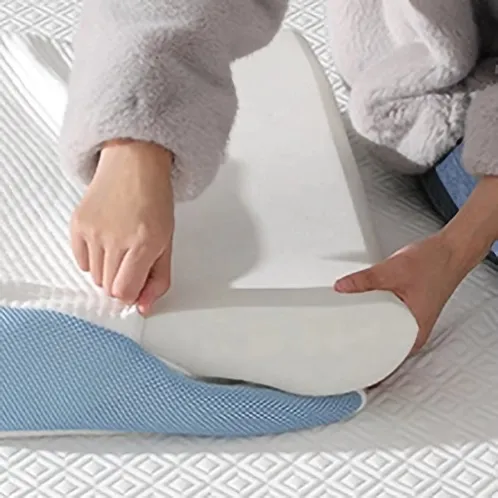
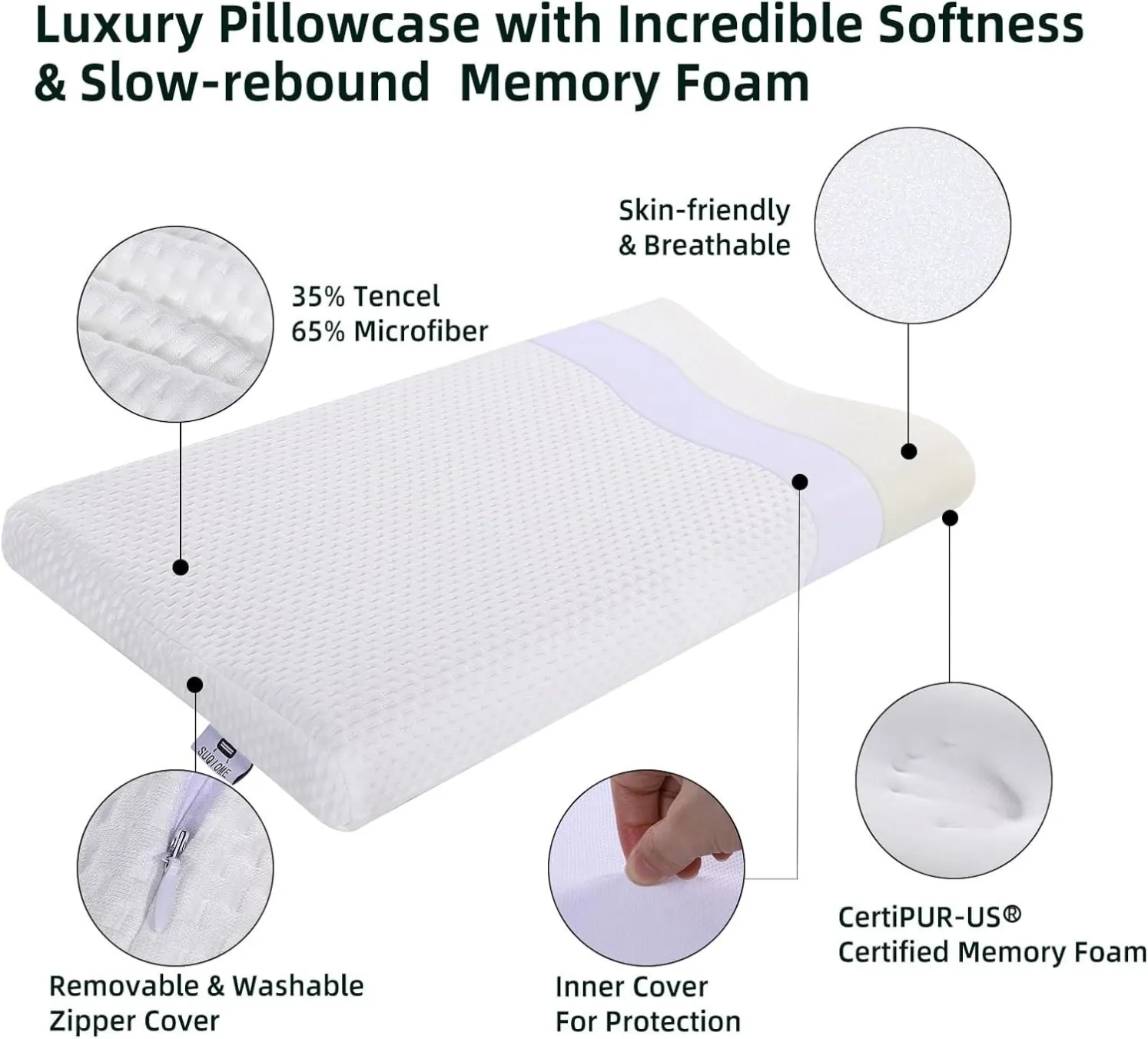
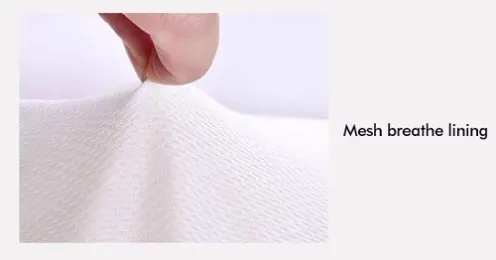
3D mesh fabric has two common uses in pillow production. It can be used as an inner liner to cover the pillow core, or as the outer cover of a finished pillow.
The fabric requirements are different for these two applications.
For an inner liner, a lightweight mesh is usually enough. When the mesh is used as the outer cover, its weight, colour and feel become more important because the fabric is part of the finished product.
3D Mesh Fabric for Pillow Liners
For an inner pillow liner, around 80gsm is often a practical starting point.
White is commonly used because the liner is covered by the outer pillowcase. There is usually no need to choose a heavier fabric or spend time matching colours for this layer unless the product design requires it.
In this case, the main consideration is whether the fabric suits the pillow construction and production requirements.
When developing a new pillow, it is useful to confirm the liner fabric and weight early. This keeps the material specification clear before the sample is approved.
Using 3D Mesh as an Outer Cover for Gel Pillows
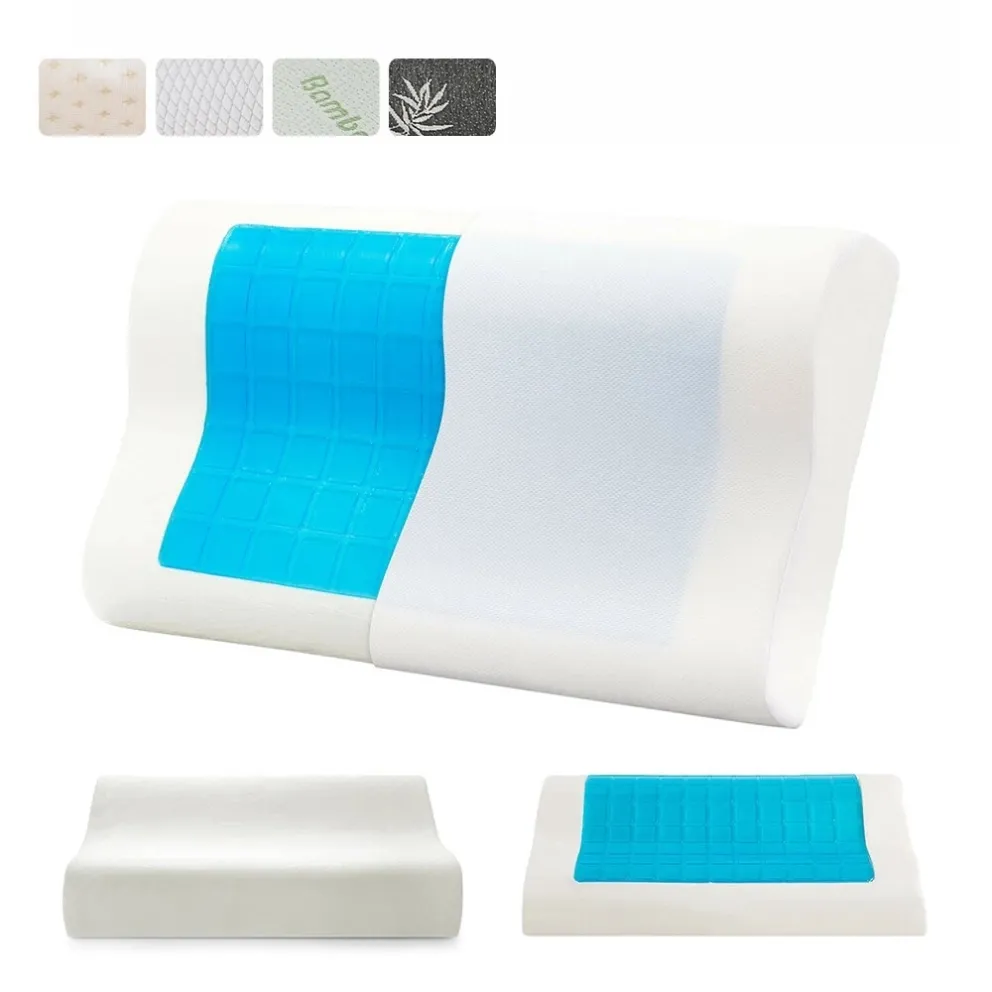
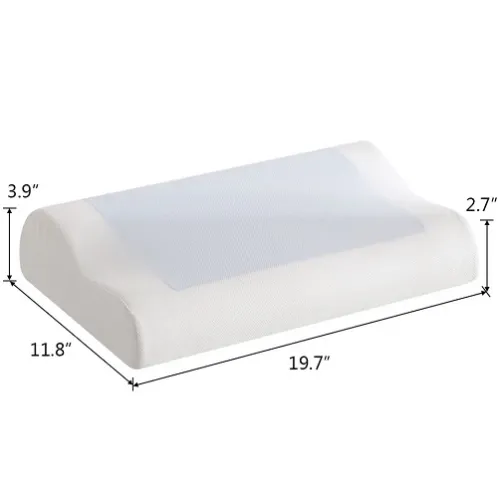
3D mesh can also be used directly as the outer cover of a gel memory foam pillow.
This is an option worth considering when the pillow already has a gel layer that provides a cooling feel. Instead of adding a thick outer cover, a suitable mesh fabric can keep the cover relatively light while allowing the gel surface to remain part of the overall design.
For this application, around 180gsm is a useful reference if you prefer a heavier mesh with a more substantial feel.
However, GSM alone does not tell you whether a fabric will feel cool against the skin. The fabric structure, surface feel and gel layer all matter. It is better to check the mesh and pillow core together before deciding on the final combination.
For brands developing gel pillows, this is one way to explore a simple outer-cover design without adding an unnecessarily thick layer.
80gsm or 180gsm: Which Weight Should You Choose?
The choice mainly depends on where the fabric will be used.
Application | Reference Weight | Common Colour |
|---|---|---|
Inner pillow liner | Around 80gsm | White |
Outer cover for a gel pillow | Around 180gsm | White, Grey, Black, Blue, Pink, Purple, Green, Yellow, or customised colours |
These are practical reference weights, not fixed requirements for every pillow.
An inner liner does not usually need the same fabric weight as an outer cover. For the outer cover, a heavier mesh may give the pillow a more substantial feel, but the final choice should still depend on the actual fabric sample.
It is worth checking the thickness, surface feel and appearance in person rather than choosing by GSM alone.
Colour Options for Outer Mesh Covers
White is a common choice for inner liners, but outer covers offer more room for colour selection.
If the mesh is used as the finished pillow cover, different colours can help match the product to a brand's design or existing pillow range. The available colours will depend on the selected fabric.
If you already have a colour in mind, you can share a reference image or colour swatch during product development. This makes it easier to check whether the fabric option is suitable before confirming the sample.
For custom orders, it is best to confirm the colour and fabric weight together, as both affect the final product specification.
What to Check Before Ordering a Sample
Before choosing 3D mesh for a pillow, it helps to settle a few basic points:
- Inner liner or outer cover: The intended use determines what to look for in the fabric.
- Fabric weight: Around 80gsm may suit an inner liner, while around 180gsm is worth considering for a heavier outer cover.
- Colour: White is commonly used for liners; outer covers may need other colours.
- Pillow type: Check the fabric together with the actual gel memory foam core, especially if the cooling feel is an important part of the product.
- Sample feel: Check the fabric's thickness, surface and overall feel before confirming the specification.
A fabric sample can tell you things that a specification sheet cannot. It is a simple but useful step before moving to bulk production.
Discuss Your 3D Mesh Pillow Cover Project
Whether you need lightweight mesh for a pillow liner or a heavier mesh for a gel memory foam pillow cover, the right choice depends on how the fabric will be used.
We work with brands, retailers and wholesalers on custom memory foam pillow development, including fabric selection and finished product specifications.
If you are developing a new pillow, send us your pillow design, preferred fabric weight and colour requirements. We can discuss suitable options and sample development for your project.
More related pages:
Request a Quote
📩 Send us your project needs or specifications, and we will respond with a clear quotation and production suggestion within 24 hours.
Email: info@hengmy.com