Sep 30, 2026Weighted Blankets
How to Choose a Cover Fabric for a Memory Foam Pillow
Choosing a memory foam pillow cover depends on stretch, fit, comfort, fabric structure and target price. Learn how polyester, cotton, bamboo, Tencel blends and other fabrics compare.
How to Choose a Cover Fabric for a Memory Foam Pillow
But the cover is also an important part of the finished product.
A customer may ask:
“Can you make the pillow with this fabric?”
Usually, the answer is yes, but the better question is:
“Is this fabric suitable for this pillow?”
The right cover depends on the pillow shape, required fit, hand feel, appearance, washing requirements and target price.
Start With the Pillow Shape
Before choosing the fabric, look at the pillow itself.
A simple rectangular pillow is relatively easy to cover.
A butterfly pillow, contour pillow or other shaped pillow may need a cover that can follow more curves.
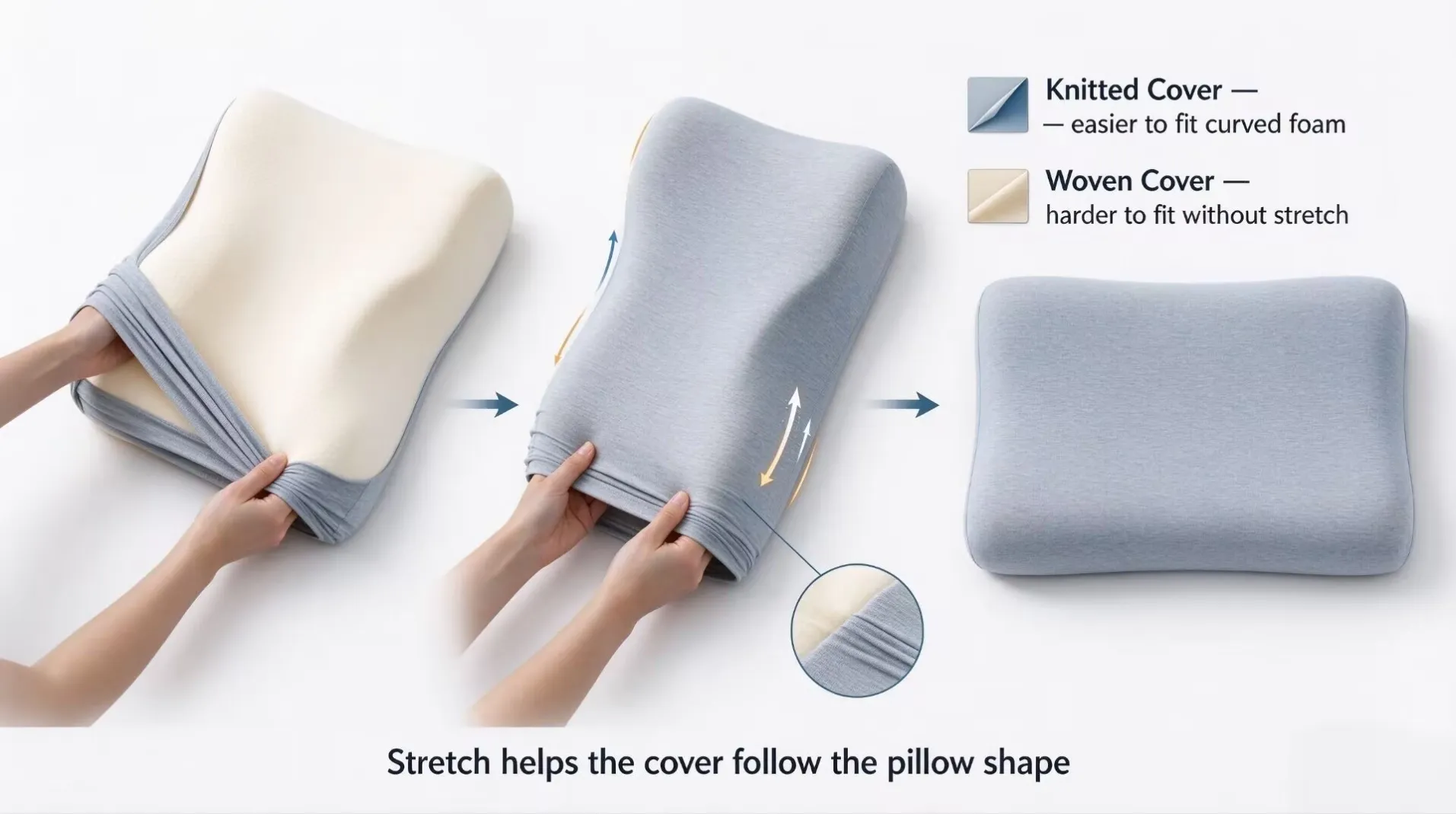
This is where fabric stretch can become important.
Knitted fabrics usually have more flexibility and stretch than woven fabrics. This can make them easier to fit around certain shaped pillows.
Woven fabrics normally have a more stable structure and less natural stretch. They can work well when the buyer wants a more structured cover.
Neither one is automatically better.
The fabric needs to match the pillow.
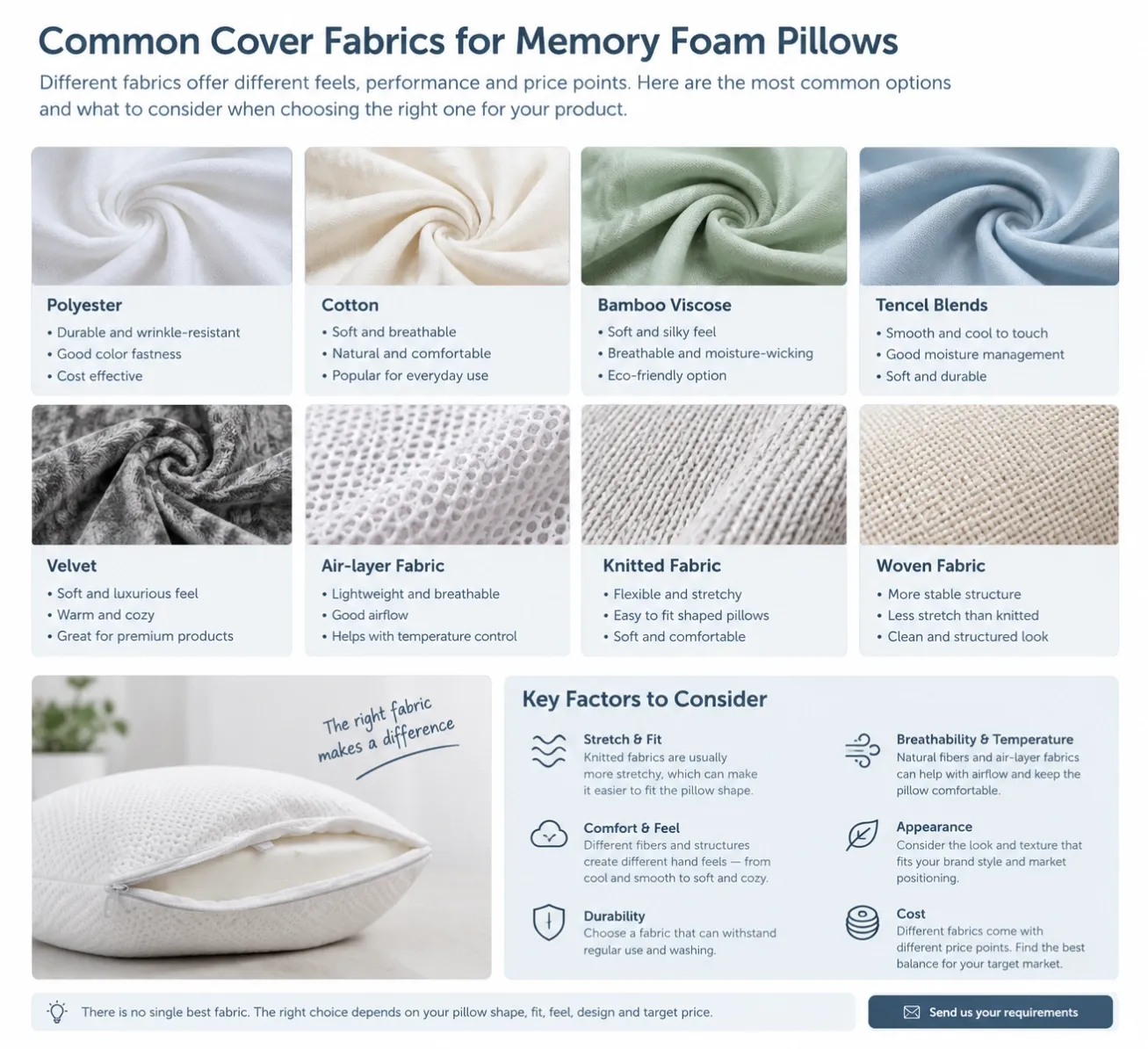
Polyester
Polyester is widely used for pillow covers because it can be made in many different constructions and finishes.
It can be used for simple everyday covers as well as more specialized fabrics.
For B2B buyers, polyester can also give more flexibility when looking at fabric appearance, hand feel and cost.
But “polyester” is only the fiber.
The final fabric can still be very different depending on the knitting or weaving method, yarn, weight and finishing.
So it is better to look at the actual fabric rather than choosing only by fiber name.
Cotton
Cotton is another familiar option for pillow covers.
It is often chosen for its natural fiber content and familiar hand feel.
However, cotton fabric can also come in many different constructions and weights.
If a customer already has a pillow cover they like, sending a physical fabric sample can be more useful than simply saying:
“We need cotton.”
The actual fabric structure still needs to be confirmed.
Bamboo Viscose and Tencel Blends
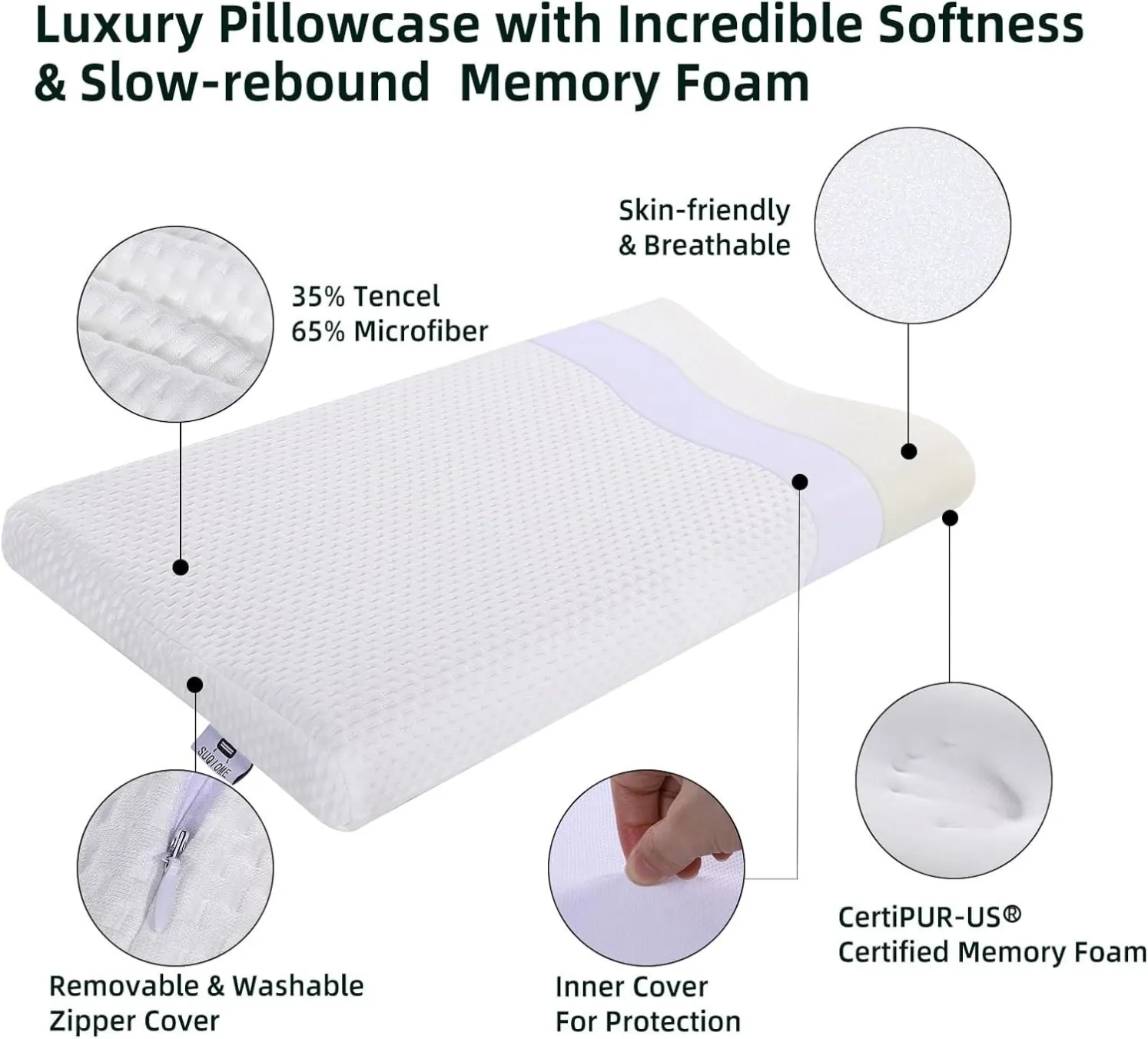
Bamboo viscose and Tencel or other lyocell-based blends are also used in pillow cover development when the customer is looking for a particular soft hand feel or fabric positioning.
But these names do not describe the whole fabric.
A blend may contain different fiber percentages, and the final feel depends on the complete fabric construction.
For this reason, we normally recommend checking the actual composition and fabric sample before confirming a bulk material.
Velvet and Air-Layer Fabrics
Velvet can give a softer, warmer and more plush appearance. It may be suitable for a particular product style or market positioning.
Air-layer fabrics are another option when the customer is looking for a more open, breathable fabric construction.
Some air-layer fabrics are commonly used for pillow covers, especially when a softer and more ventilated cover is part of the product idea.
Again, the actual construction matters.
Different fabrics sold under similar names can feel very different.
What About Fabric Weight?
Fabric weight is another detail that buyers may need to confirm.
For example, 280gsm may be suitable for a particular knitted fabric, but there is no universal rule that every pillow cover should be 280gsm.
A heavier fabric is not automatically better.
The right weight depends on the fabric construction, pillow design, required hand feel and target product.
This is why we prefer to discuss fabric type + construction + weight + stretch together.
What Should You Consider Before Choosing?
For a private label memory foam pillow, I would normally look at:
- Pillow shape
- Fabric stretch
- Cover fit
- Hand feel
- Breathability
- Appearance
- Fabric composition
- Fabric weight
- Washing requirements
- Target price
If the customer already has an existing pillow cover, a physical sample can be very helpful.
A photo can show the color and general appearance, but it cannot fully show stretch, thickness or hand feel.
The Best Fabric Is the One That Fits the Product
There is no single “best” pillow cover fabric.
A knitted fabric may make sense for one shaped pillow.
A woven fabric may be a better fit for another.
Polyester, cotton, bamboo viscose, Tencel™ blends, velvet and air-layer fabrics can all have their place, depending on the product requirement.
The important thing is to choose the fabric after understanding the pillow, not before.
If you are developing a private label memory foam pillow and are not sure which cover fabric to use, send us your pillow photo, size, target price range and fabric idea. If you have a sample, we can also review it with you and discuss a practical fabric direction before sampling.
More related pages:
📩 Send us your project needs or specifications, and we will respond with a clear quotation and production suggestion within 24 hours.
Email: info@hengmy.com